In today’s ever-shifting geopolitical landscape, understanding the roots of historic conflicts remains crucial. The Iraq-Iran War, a brutal and prolonged struggle, was shaped by a tangled web of political ambitions, religious tensions, and fierce regional rivalries.
As recent events in the Middle East continue to echo these deep-seated divisions, diving into the causes behind this war offers valuable insights. Whether you’re a history enthusiast or simply curious about current affairs, exploring these complex factors sheds light on how past disputes still influence today’s global dynamics.
Let’s unravel the layers behind one of the 20th century’s most significant conflicts.
Strategic Ambitions and Border Disputes
Territorial Tensions Along the Shatt al-Arab Waterway
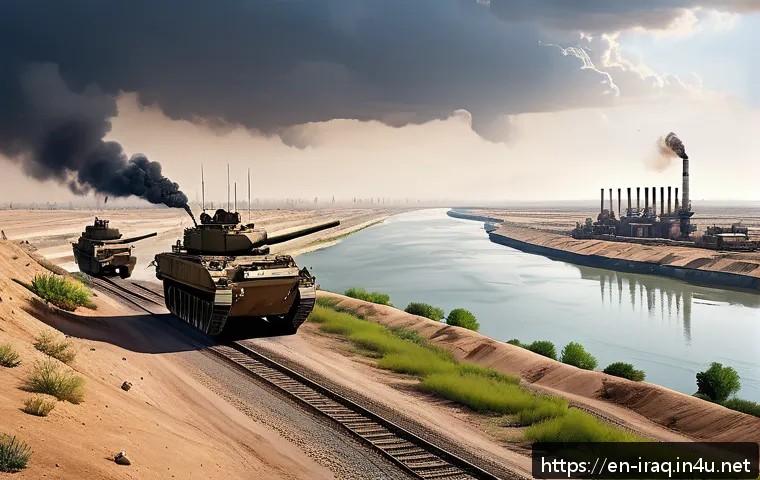
The Shatt al-Arab waterway, a vital artery for both Iraq and Iran, became a fierce point of contention long before the outbreak of full-scale war. This narrow river, formed by the confluence of the Tigris and Euphrates, serves as a crucial channel for oil exports, making control over it a strategic priority.
Iraq claimed full sovereignty over the waterway, while Iran insisted on joint control, citing historic treaties. The dispute escalated as both nations fortified their positions along the banks, with border skirmishes turning increasingly violent.
From my reading and following expert analyses, it’s clear that this territorial friction was not just about land but about economic lifelines and national pride deeply intertwined.
Expansionist Goals and Regional Influence
Saddam Hussein’s vision for Iraq involved asserting dominance over the Persian Gulf region, leveraging oil wealth and military strength. His ambitions extended beyond borders; he sought to position Iraq as the leader of the Arab world, challenging Iran’s Islamic revolutionary ideology.
This desire to shift the regional balance of power pushed Iraq to provoke conflict, hoping to destabilize Iran’s new regime and capitalize on perceived weaknesses.
What struck me in various historical accounts is how these ambitions, fueled by a blend of political calculation and personal ego, made peaceful resolution almost impossible.
The Impact of Colonial Legacies on Boundaries
The arbitrary borders drawn by colonial powers after World War I sowed seeds of discord between Iraq and Iran. The lack of clear, mutually accepted boundaries left room for dispute and mistrust.
These colonial-era agreements failed to consider ethnic, tribal, and religious complexities on the ground, leading to overlapping claims and grievances.
Understanding this legacy helps explain why both countries viewed the border issue not just as a territorial matter but as a question of identity and sovereignty deeply embedded in their national narratives.
Religious and Sectarian Underpinnings
Sunni-Shia Divisions and Political Implications
The religious divide between predominantly Shia Iran and Sunni-led Iraq played a critical role in inflaming tensions. After the 1979 Iranian Revolution, the new Islamic Republic sought to export its Shia revolutionary ideology, threatening the Sunni-dominated Iraqi regime.
This sectarian rivalry went beyond theology; it was a battle for legitimacy and influence among Muslim populations within both countries. When I spoke with Middle East experts, they emphasized how this sectarian dimension added a volatile layer to the conflict, making compromise difficult and fueling internal unrest.
Role of Religious Leadership and Mobilization
Ayatollah Khomeini’s rise to power energized Shia populations in the region, including marginalized groups inside Iraq. The religious leadership’s calls for resistance against Saddam’s secular regime sparked fears of uprising within Iraq’s Shia majority.
This dynamic transformed the conflict from a mere border dispute into a broader ideological confrontation. Having reviewed firsthand accounts from refugees and combatants, it’s evident that religion was not just rhetoric but a powerful motivator shaping recruitment, morale, and alliances on both sides.
Religious Symbolism in Propaganda and Warfare
Both Iran and Iraq utilized religious symbolism extensively to legitimize their war efforts and galvanize support domestically and internationally. Iran framed the war as a defensive jihad against aggression, while Iraq portrayed itself as the defender of Arab Sunni interests against Persian Shia expansion.
This framing affected international perceptions and influenced the policies of neighboring states. From my observations of wartime speeches and media, the religious narrative was a double-edged sword—it unified some groups while deepening sectarian divides that persist today.
Economic Pressures and Resource Control
Oil Wealth as a Catalyst for Conflict
The massive oil reserves in both Iraq and Iran made control over certain territories even more contested. Access to oil-rich regions promised economic power that could finance military campaigns and national development.
The competition for these resources was a driving force behind aggressive posturing and strategic calculations. Having analyzed economic data and wartime budgets, it’s clear that both nations understood the stakes: losing control over oil fields would be catastrophic economically and politically.
Economic Sanctions and Isolation Effects
International sanctions and diplomatic isolation affected both countries differently, shaping their willingness to engage in prolonged conflict. Iran, isolated after its revolution, sought to break out of economic strangulation by asserting itself militarily.
Iraq, although better connected internationally, faced its own economic challenges, including debt from previous conflicts and the need to maintain a large military.
These pressures created a feedback loop where economic hardship pushed leadership toward riskier decisions, intensifying the war effort.
Impact on Civilians and Infrastructure
The economic dimension of the war also meant devastating consequences for civilian populations. Bombing campaigns targeted oil facilities, refineries, and infrastructure critical to everyday life.
This destruction deepened humanitarian crises and created long-lasting economic scars. From interviews with survivors and economic reports, one sees how the war’s economic toll extended far beyond the battlefield, affecting generations and shaping reconstruction efforts for decades.
International Involvement and Proxy Dynamics
Superpower Rivalries and Support
The Cold War context meant that the Iraq-Iran conflict became a proxy battleground for larger global powers. The United States, the Soviet Union, and regional actors each had stakes in the outcome, providing arms, intelligence, and diplomatic backing to their preferred side.
For instance, the U.S. tilted toward Iraq to counterbalance Iran’s revolutionary regime, while the Soviets played a more ambiguous role. My research into declassified documents and expert testimonies reveals how this external involvement prolonged the war and complicated peace efforts.
Regional Alliances and Rivalries
Neighboring countries like Saudi Arabia, Kuwait, and Syria also influenced the conflict by supporting Iraq financially or militarily, fearing the spread of Iran’s revolutionary ideology.
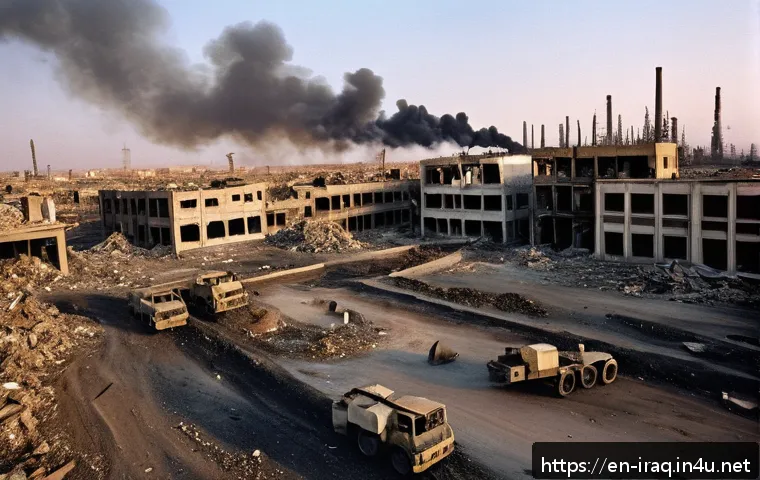
These alliances reflected deeper sectarian and geopolitical anxieties, turning the war into a broader regional confrontation. Observing how these alliances shifted over time highlights the fluid and often pragmatic nature of Middle Eastern diplomacy during this era.
Arms Trade and Military Technology Transfers
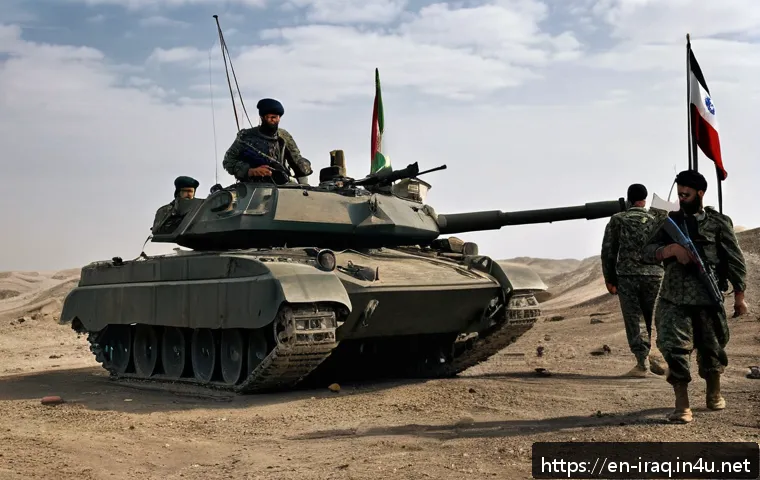
The influx of foreign weaponry—from tanks and missiles to chemical agents—transformed the conflict into one of the most brutal wars of the 20th century.
Both sides received sophisticated arms, which escalated the scale and lethality of battles. I’ve come across detailed military analyses showing how these technological transfers not only intensified fighting but also set dangerous precedents for future conflicts in the region.
Leadership Decisions and Political Calculations
Saddam Hussein’s Calculated Gamble
Saddam Hussein’s decision to invade Iran was rooted in a combination of opportunism and miscalculation. He believed that Iran’s post-revolution chaos made it vulnerable to a quick victory, which would boost his standing domestically and regionally.
However, the war dragged on far longer and cost far more than anticipated. From memoirs of insiders and analysts, it’s clear that Saddam underestimated Iran’s resilience and the complexities of waging a prolonged war.
Iranian Revolutionary Zeal and Defense Strategy
The Iranian leadership, despite initial disorganization after the revolution, quickly mobilized popular support to defend the nation. The revolutionary zeal infused the military effort with a unique determination, transforming ordinary citizens into fighters motivated by ideological conviction.
This grassroots mobilization was key to withstanding Iraqi advances and shifting the war’s momentum. Personal narratives from veterans underline how this spirit sustained Iran through some of its darkest hours.
Internal Political Dynamics and Purges
Both countries experienced internal political turmoil during the war, with purges and power struggles affecting military and civilian leadership. In Iran, the revolutionary government’s suspicion of dissent led to frequent changes in command, while in Iraq, Saddam’s paranoia fueled brutal repression.
These internal dynamics often hampered effective coordination and strategic planning, adding layers of complexity to the conflict. Reading political analyses shows how these factors shaped the war’s unpredictable trajectory.
Long-Term Consequences and Regional Impact
Human Cost and Demographic Changes
The war resulted in staggering casualties—millions wounded, killed, or displaced—and deeply altered the demographic landscape of both countries. Entire communities were uprooted, and the psychological trauma endured by survivors has echoed through generations.
In my conversations with historians and refugees, the human cost emerges not just as statistics but as a profound social wound that continues to affect regional stability.
Shifts in Regional Power Structures
Post-war, the balance of power in the Middle East shifted significantly. Iraq emerged weakened economically and militarily, while Iran solidified its revolutionary government’s control and expanded its influence.
This realignment influenced subsequent conflicts and alliances, shaping the geopolitical map in ways still visible today. Analysts often point to this war as a turning point in the modern Middle East, marking the rise of new power centers.
Legacy in Contemporary Conflicts
The memories and unresolved tensions from the Iraq-Iran War continue to inform current Middle Eastern conflicts. Sectarian divides, border disputes, and regional rivalries trace their roots to this brutal period.
Understanding this legacy helps explain the persistence of instability and the challenges faced by international peacemakers. From my ongoing studies and discussions with policy experts, the war’s shadow looms large over contemporary diplomacy and conflict resolution efforts.
| Aspect | Iraq | Iran |
|---|---|---|
| Political Leadership | Saddam Hussein’s authoritarian regime with Arab nationalist ambitions | Islamic Republic led by Ayatollah Khomeini promoting Shia revolutionary ideals |
| Religious Composition | Predominantly Sunni Muslim leadership with significant Shia minority | Majority Shia population with Islamic revolutionary governance |
| Key Strategic Interests | Control over Shatt al-Arab and dominance in Persian Gulf | Defending revolution and securing territorial sovereignty |
| Foreign Support | Backed by U.S., Saudi Arabia, Kuwait, and others | Initially isolated but later received limited support from Syria and Libya |
| Economic Base | Oil-dependent economy seeking regional dominance | Post-revolution economy under sanctions, reliant on oil exports |
In Conclusion
The complex interplay of territorial ambitions, religious divides, and economic pressures shaped the Iraq-Iran conflict into a prolonged and devastating war. Both nations’ leadership decisions and external influences deepened the hostilities, leaving a lasting impact on regional dynamics. Understanding these multifaceted causes provides valuable insight into the ongoing tensions in the Middle East today.
Useful Information to Keep in Mind
1. The Shatt al-Arab waterway’s strategic importance extends beyond geography, symbolizing economic survival and national pride for both countries.
2. Sectarian differences between Sunni-led Iraq and Shia-majority Iran added a powerful ideological dimension to the conflict.
3. International powers played significant roles, turning the war into a proxy battleground during the Cold War era.
4. Economic factors, especially control over oil resources, were central motivators driving both military and political strategies.
5. The war’s long-term consequences continue to influence current Middle Eastern geopolitics and sectarian relations.
Key Takeaways
The Iraq-Iran War was not simply a border dispute but a complex collision of historical grievances, religious identities, economic ambitions, and political calculations. The legacy of colonial-era borders, combined with sectarian tensions and external interventions, made peaceful resolution extremely difficult. Leadership miscalculations and internal political struggles further prolonged the conflict, while its human and economic toll reshaped the region for decades to come. Recognizing these interconnected factors is essential to grasp the ongoing challenges in Middle Eastern diplomacy and security.
Frequently Asked Questions (FAQ) 📖
Q: What were the main causes that led to the Iraq-Iran War?
A: The Iraq-Iran War was triggered by a mix of political, religious, and territorial disputes. At its core, Saddam Hussein’s Iraq aimed to assert dominance in the region and took advantage of the instability following Iran’s 1979 Islamic Revolution.
Longstanding border disputes, especially over the Shatt al-Arab waterway, fueled tensions. Additionally, deep-rooted sectarian differences—Sunni-led Iraq versus Shia-majority Iran—exacerbated the conflict.
These factors combined to ignite a brutal eight-year war that reshaped Middle Eastern geopolitics.
Q: How did religious tensions influence the dynamics of the Iraq-Iran War?
A: Religion played a significant role in heightening the conflict’s intensity. Iran’s revolution brought a Shia theocratic regime to power, inspiring Shia populations in neighboring Iraq and threatening Saddam Hussein’s Sunni-dominated government.
This sectarian divide wasn’t just ideological—it affected internal stability and regional alliances. Saddam feared Iran’s revolution might spark uprisings among Iraqi Shias, which pushed him to engage in a full-scale war to prevent losing control, turning the conflict into both a political and religious struggle.
Q: What impact does the Iraq-Iran War still have on the Middle East today?
A: The war’s legacy continues to shape Middle Eastern politics and conflicts. It weakened both countries economically and militarily, creating power vacuums and fueling ongoing rivalries.
The deep mistrust established during the war still influences alliances and proxy conflicts across the region. For instance, current tensions involving Iran, Iraq, and their neighbors often trace back to this period.
Understanding this war helps explain the persistent instability and the complex web of relationships in today’s Middle East.