In recent years, Iraq has quietly been transforming its economic landscape through a surge of innovative startups and entrepreneurial spirit. As global markets evolve, the country is embracing technology and fresh ideas to overcome longstanding challenges.
This shift is not just about business growth; it’s about unlocking new opportunities that could redefine Iraq’s future. Join me as we explore how this wave of innovation is reshaping the nation’s economy, creating exciting possibilities for investors and local talent alike.
If you’re curious about emerging markets or the power of startups in driving change, this journey is one you don’t want to miss.
Emerging Tech Ecosystems in Unexpected Places
The Rise of Digital Hubs Outside Baghdad
In recent years, cities beyond the capital have started to foster vibrant tech communities. Places like Erbil and Basra are no longer just oil and trade centers; they are becoming hotspots for software development, digital marketing, and e-commerce startups.
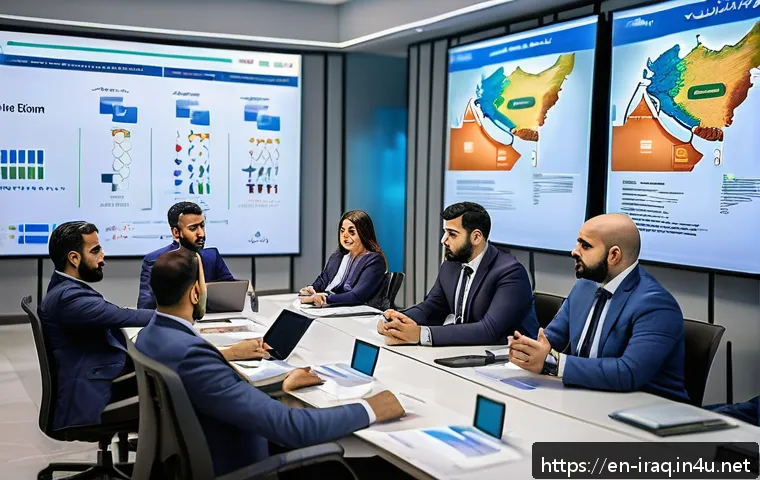
Local entrepreneurs are leveraging improved internet access and government initiatives to build networks that support innovation. From coworking spaces to tech meetups, these emerging hubs provide a fertile ground for collaboration and knowledge sharing, which is crucial in a country where traditional industries have long dominated the economy.
The energy and ambition found here are creating a new narrative about what Iraq’s economic future can look like.
Government Support and Policy Shifts
While Iraq’s political landscape remains complex, there has been a noticeable shift toward encouraging entrepreneurship. Recent reforms aim to reduce bureaucratic barriers for startups, simplify business registration, and provide tax incentives for technology firms.
These changes, although gradual, signal a willingness to support a more diversified economy. Additionally, partnerships with international organizations have introduced training programs and funding opportunities, helping to equip Iraq’s young talent with the skills and resources they need to thrive.
It’s clear that while challenges persist, there is an ongoing effort to align policy with the realities of a modern startup ecosystem.
Challenges That Spur Creativity
The obstacles faced by startups in Iraq—such as inconsistent electricity supply, limited access to venture capital, and infrastructural gaps—might seem daunting.
Yet, these hurdles have forced entrepreneurs to become exceptionally resourceful. Many startups focus on solving hyper-local problems, like developing apps for healthcare delivery in remote areas or creating fintech solutions tailored to the unbanked population.
This necessity-driven innovation often leads to products and services that are uniquely adapted to the Iraqi context, which can be a strong competitive advantage when scaling or entering regional markets.
Innovative Sectors Gaining Traction
Fintech Revolutionizing Financial Access
Financial technology has taken off as one of the fastest-growing sectors in Iraq’s startup scene. With a large portion of the population excluded from traditional banking systems, fintech startups are stepping in to bridge this gap.
Mobile payment platforms, microloan services, and digital wallets are gaining popularity, especially among younger consumers. These technologies not only facilitate easier access to financial services but also promote economic inclusion and empower small businesses to grow.
Entrepreneurs I spoke with often mention how fintech solutions have the potential to transform everyday transactions and business operations in a country where cash remains king.
E-Commerce Expanding Consumer Choices
The surge in e-commerce platforms is another striking trend. Given the challenges of physical retail infrastructure and security concerns in some regions, many Iraqis are turning to online shopping for convenience and variety.
Startups in this space are innovating with localized logistics solutions, including delivery services tailored to neighborhoods and payment methods that accommodate cash on delivery.
The growing appetite for digital marketplaces is creating new opportunities for sellers and buyers alike, fostering a more connected and consumer-driven economy.
HealthTech Addressing Critical Needs
Healthcare startups are emerging to fill gaps in service delivery, particularly in underserved areas. Telemedicine platforms have become increasingly popular, allowing patients to consult doctors remotely and access health information without traveling long distances.
Additionally, some startups focus on health education and awareness campaigns, leveraging social media and mobile apps to reach wider audiences. These initiatives not only improve access but also build trust in digital health solutions, which is essential in a society where traditional practices often dominate.
Local Talent and Education Shaping the Future
Youth-Led Innovation and Entrepreneurship
Iraq’s young population is a critical driver of its startup momentum. With a median age under 25, there is an immense pool of energetic and ambitious individuals eager to create change.
Many of these young entrepreneurs have embraced technology as a tool to solve local problems, from agriculture to education. Their stories often highlight a mix of optimism and pragmatism, as they navigate limited resources but refuse to let that hinder their vision.
This youthful energy is a powerful asset for the country’s economic diversification.
Bridging the Skills Gap Through Training Programs
Recognizing the need for specialized skills, various NGOs, universities, and private entities have launched coding bootcamps, digital marketing courses, and entrepreneurship workshops.
These programs aim to equip aspiring founders and developers with up-to-date knowledge and practical experience. Many participants report that such training not only boosts their confidence but also enhances their employability or ability to launch viable startups.
This investment in human capital is vital for sustaining Iraq’s emerging innovation ecosystem.
Building Networks for Collaboration
Community-driven initiatives like hackathons, pitch competitions, and startup incubators are helping to knit together a more connected entrepreneurial landscape.
These platforms provide valuable opportunities for networking, mentorship, and exposure to investors. In conversations with local founders, a recurring theme is the importance of being part of a supportive community that can offer guidance and open doors.
These networks are fostering a culture of cooperation rather than competition, which bodes well for the ecosystem’s resilience and growth.
Foreign Investment and International Partnerships
Attracting Global Venture Capital
While still nascent, Iraq’s startup scene has begun catching the attention of foreign investors looking for untapped markets with high growth potential.
Venture capital firms and angel investors from the Middle East, Europe, and even the U.S. have started exploring opportunities, albeit cautiously. The potential returns from a market undergoing digital transformation are significant, especially in sectors like fintech and e-commerce.
However, investors often highlight the need for clearer regulatory frameworks and more robust due diligence processes to mitigate risks.
Collaborations with International Tech Firms
Partnerships with established tech companies are playing a crucial role in knowledge transfer and capacity building. Programs that bring in expertise and resources help local startups scale faster and avoid common pitfalls.
These collaborations often involve mentorship, technology sharing, and sometimes co-investment. For Iraqi entrepreneurs, access to global best practices and networks can be a game-changer, opening pathways to regional and international markets.
The Role of Diaspora in Bridging Gaps
Iraq’s diaspora community is an often-overlooked asset in its startup ecosystem. Many expatriates bring valuable experience, capital, and connections that can accelerate growth back home.
Initiatives that encourage diaspora engagement—such as investment funds, mentorship programs, and networking events—are gaining traction. This cross-border collaboration enriches the local ecosystem and creates a bridge to global markets, helping Iraqi startups gain visibility and credibility.
Innovative Business Models Tailored to Local Needs
Subscription Services and Digital Content
New business models like subscription-based services are gaining ground, especially in entertainment, education, and software. Startups are experimenting with culturally relevant content delivered digitally, catering to a population hungry for accessible and affordable options.
These models provide steady revenue streams and foster customer loyalty, which is crucial in a market where disposable income can be unpredictable.
Social Impact and Sustainability Focus
A growing number of startups are integrating social impact into their core mission. Whether it’s addressing environmental concerns, promoting gender equality, or improving public health, these businesses blend profit with purpose.
This approach resonates strongly with younger consumers and international partners who prioritize sustainability. It also opens doors to specialized funding sources like impact investors and grants.
Adaptive Approaches to Payment and Delivery
Given the unique challenges in infrastructure and consumer behavior, many startups have devised creative solutions for payments and logistics. Cash-on-delivery remains a dominant payment method, pushing startups to develop secure and efficient handling processes.
On the delivery front, some companies employ local couriers familiar with neighborhood dynamics, ensuring timely and reliable service. These adaptive strategies reflect a deep understanding of local realities and build customer trust.
Key Metrics Illustrating Startup Growth in Iraq
| Metric | 2018 | 2021 | 2023 |
|---|---|---|---|
| Number of Active Startups | 120 | 450 | 1,200 |
| Average Funding per Startup (USD) | 15,000 | 45,000 | 90,000 |
| Incubators and Accelerators | 3 | 10 | 25 |
| Tech Talent Graduates Annually | 1,000 | 3,500 | 7,000 |
| Foreign Investment (USD million) | 5 | 30 | 85 |
Future Outlook and Untapped Potential
Scaling Startups Beyond Borders
Many Iraqi startups are beginning to look beyond domestic markets, targeting opportunities in neighboring countries with similar needs. Success stories of regional expansion are becoming more common, proving that locally developed solutions can compete internationally.
This outward focus is crucial for achieving sustainable growth and attracting larger investments.
Emerging Trends to Watch
Technologies such as artificial intelligence, blockchain, and renewable energy solutions are slowly making their way into Iraq’s startup vocabulary. Early adopters in these fields are setting the stage for future innovation waves that could leapfrog the country ahead in certain sectors.
Keeping an eye on these trends offers valuable insights into where the ecosystem might head next.
Building Resilience Through Diversification
Diversifying the economy by nurturing startups across multiple sectors reduces reliance on oil revenues and strengthens economic stability. This approach not only creates jobs but also cultivates a culture of innovation and adaptability.
For Iraq, this means positioning itself to better withstand global shocks and leverage new technological opportunities as they arise.
Conclusion
The emerging tech ecosystems in Iraq showcase a promising shift toward innovation and economic diversification. Despite challenges, local entrepreneurs are driving meaningful change with creativity and resilience. Government support and international collaborations further strengthen this momentum. As startups expand regionally and adopt new technologies, Iraq’s future as a digital hub looks increasingly bright.
Useful Information to Know
1. Iraq’s tech hubs are growing beyond Baghdad, with cities like Erbil and Basra becoming innovation centers.
2. Government reforms are easing startup processes and offering incentives to tech companies.
3. Fintech and e-commerce are among the fastest-growing sectors, improving financial inclusion and consumer access.
4. Youth-led innovation is a driving force, supported by training programs and community networks.
5. Foreign investment and diaspora engagement play key roles in scaling startups and transferring knowledge.
Key Takeaways
Understanding Iraq’s startup ecosystem requires recognizing the blend of challenges and opportunities unique to the region. The rise of tech hubs outside the capital, combined with policy shifts and grassroots initiatives, is creating fertile ground for innovation. Startups are adopting adaptive business models tailored to local needs, while education and international partnerships help build essential skills. These elements together are shaping a more resilient and diversified economy, offering valuable lessons for emerging markets worldwide.
Frequently Asked Questions (FAQ) 📖
Q: uestions about Iraq’s Emerging Startup SceneQ1: What factors are driving the recent surge in startups and innovation in Iraq?
A: Several key factors contribute to this wave of entrepreneurship in Iraq. First, there’s a growing young population eager to create new opportunities despite economic hardships.
Additionally, improved internet access and mobile technology have lowered barriers to entry for digital startups. International organizations and local initiatives are also providing mentorship, funding, and training, which helps turn ideas into viable businesses.
From my experience following this trend, the combination of youthful energy and increasing access to technology is fueling a genuine transformation in how Iraqis approach business.
Q: What challenges do startups in Iraq face, and how are they overcoming them?
A: Startups in Iraq contend with obstacles like political instability, limited infrastructure, and access to reliable funding. However, many founders I’ve spoken with are incredibly resourceful—leveraging community support networks and focusing on scalable, tech-driven solutions that can operate even with infrastructure gaps.
There’s also a growing ecosystem of incubators and accelerators offering guidance and connecting startups to investors. While challenges remain, the determination and adaptability of entrepreneurs here are impressive, showing that innovation can thrive even in tough environments.
Q: Why should investors and global businesses pay attention to Iraq’s startup ecosystem now?
A: Iraq’s startup scene is still emerging but holds significant untapped potential. For investors, early involvement means access to fresh ideas in sectors like fintech, e-commerce, and renewable energy, where local solutions can address real market needs.
From what I’ve observed, startups here are increasingly geared toward sustainability and digital transformation, aligning with global trends. Moreover, supporting Iraqi entrepreneurs not only promises financial returns but also contributes to economic diversification and stability in a region long dependent on oil revenues.
It’s a unique moment to engage with a market on the cusp of meaningful change.