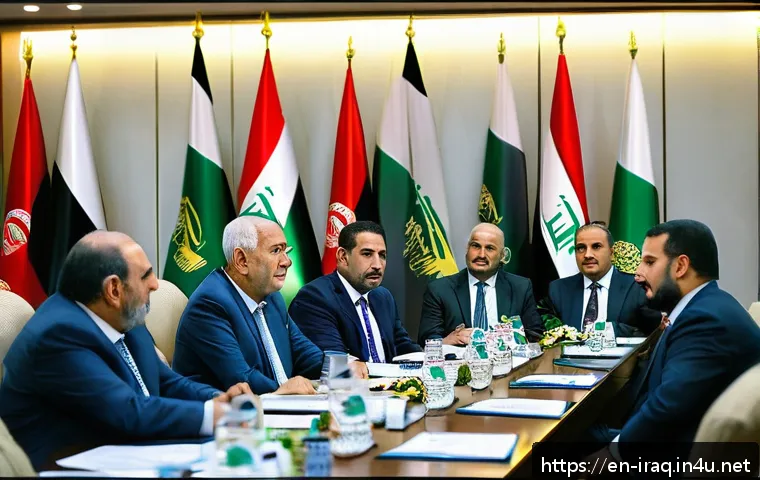
The political landscape in Iraq is evolving rapidly, with recent developments signaling significant shifts that could impact both the region and global dynamics.
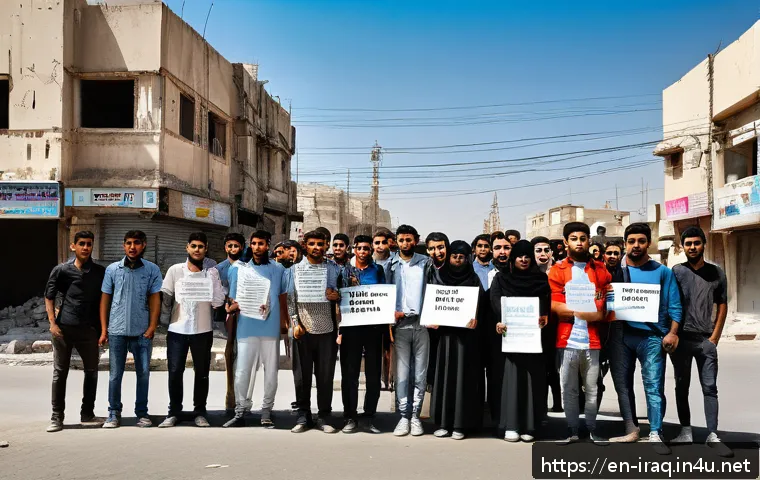
If you’ve been following the news, you know that changes in leadership, policy directions, and alliances are creating a complex and dynamic environment.
Whether you’re a policy enthusiast or simply curious about Middle Eastern affairs, staying updated is more crucial than ever. In this post, I’ll break down the key updates you need to understand what’s happening now and why it matters.
Let’s dive into the heart of Iraq’s political transformation together.
Shifting Power Dynamics Among Key Political Parties
Emergence of New Political Coalitions
In recent months, Iraq has witnessed the rise of new political coalitions that are reshaping the traditional power balance. Unlike the previous election cycles dominated by long-standing parties, fresh alliances have formed around reformist agendas and nationalist sentiments.
These coalitions are not only challenging the established order but are also attracting younger voters disillusioned with corruption and economic stagnation.
For instance, the increased cooperation between secular and moderate Islamist groups signals a strategic attempt to appeal to a broader demographic. This shift indicates a departure from sectarian-based politics toward more issue-focused governance, although deep-rooted ethnic and religious identities still play a significant role behind the scenes.
Decline of Traditional Power Brokers
Traditional political heavyweights, such as the major Shiite and Kurdish parties, are experiencing a notable decline in influence. Their inability to deliver on promises related to security improvements and public services has eroded their support bases.
Additionally, internal fractures within these parties have weakened their cohesion and effectiveness. This decline is evident in local election results and public opinion polls, where independent candidates and smaller parties have made significant gains.
However, despite this downturn, these established groups still maintain considerable control over key government institutions and security forces, meaning any political transformation will likely be gradual and contested.
Impact of External Influences on Domestic Politics
Iraq’s political landscape remains heavily influenced by foreign powers, notably Iran, the United States, and regional neighbors like Saudi Arabia and Turkey.
Each external actor pursues its interests by backing different political factions or militias, which complicates the internal political calculus. Recently, there has been a subtle recalibration in Iraq’s foreign alignments, with the government attempting to balance relations amid growing regional tensions.
This balancing act reflects a pragmatic approach to safeguard sovereignty while navigating competing pressures. The geopolitical tug-of-war often translates into domestic policy shifts, impacting everything from energy exports to security cooperation.
Economic Challenges and Policy Responses Amid Political Flux
Oil Revenue and Budgetary Pressures
Iraq’s economy is heavily reliant on oil exports, which constitute the bulk of government revenue. Fluctuations in global oil prices have a direct and immediate impact on the country’s budget and public spending capacity.
Recent political instability has further complicated economic management, delaying critical reforms and infrastructure projects. The government faces mounting pressure to diversify the economy, reduce dependency on hydrocarbons, and improve fiscal transparency.
Despite these challenges, there are emerging initiatives aimed at attracting foreign investment and boosting non-oil sectors, although progress remains uneven and vulnerable to political disruptions.
Unemployment and Social Welfare Concerns
High unemployment rates, especially among youth, continue to fuel social discontent and protests. The government’s social welfare programs are under strain due to limited resources and administrative inefficiencies.
Many Iraqis express frustration over persistent poverty, lack of basic services, and limited job opportunities. Policymakers have proposed various job creation schemes and vocational training programs, but implementation hurdles and corruption issues have hindered their effectiveness.
The political shifts have opened some space for reform-minded officials to push for more inclusive policies, yet the scale of the challenge demands sustained commitment beyond electoral cycles.
Infrastructure Development Amid Political Uncertainty
Infrastructure remains a critical priority for Iraq’s recovery and growth. Years of conflict and neglect have left roads, electricity grids, and water systems in poor condition.
Political uncertainty and fragmented governance have slowed down reconstruction efforts, frustrating both citizens and international partners. New leadership teams are attempting to streamline project approvals and improve coordination between federal and regional authorities.
However, progress is often hampered by budget constraints and disputes over resource allocation. The success of infrastructure investments will largely depend on political stability and the government’s ability to foster transparency and accountability.
Security Landscape and Its Political Implications
Militia Influence and State Authority
One of the most complex aspects of Iraq’s political environment is the ongoing influence of militias, many of which have strong political affiliations.
These groups play a dual role—providing security in some areas while also acting as political actors with their own agendas. The government’s efforts to integrate or disarm militias have met with limited success, as some factions retain significant autonomy and popular support.
This dynamic complicates efforts to establish a unified national security strategy and undermines the rule of law. Political leaders must navigate these realities carefully, balancing the need for order with the risk of alienating powerful armed groups.
Counterterrorism and Regional Stability
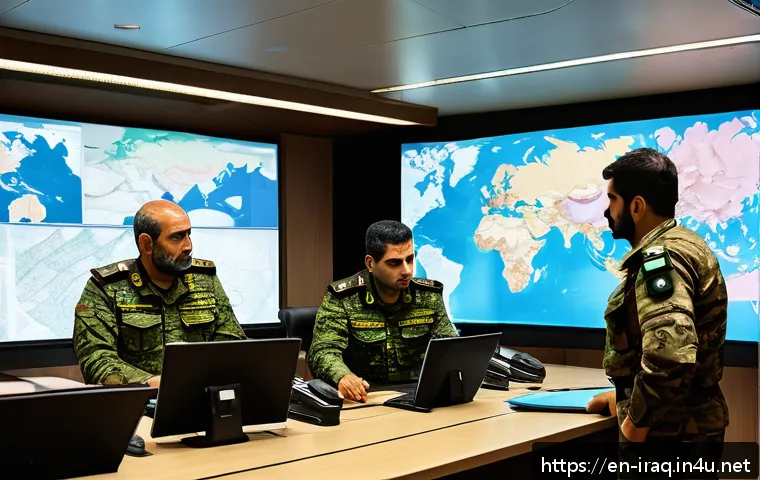
Despite territorial defeats of ISIS, the threat of terrorism persists in Iraq. Sporadic attacks and sleeper cells continue to destabilize certain regions, requiring ongoing counterterrorism operations.
The effectiveness of these efforts is closely tied to political cooperation between Baghdad and local authorities, including the Kurdish Regional Government.
Political fragmentation can hinder intelligence sharing and coordinated responses, allowing extremist groups to exploit security vacuums. Moreover, regional instability, especially in neighboring Syria, influences Iraq’s security situation, necessitating vigilant diplomacy and military preparedness.
Security Sector Reform and International Support
Reforming Iraq’s security sector is a priority for both domestic stability and international partners. This includes professionalizing the armed forces, enhancing border security, and combating corruption within security institutions.
International actors, including the US-led coalition and the United Nations, continue to provide training and assistance. However, political disputes often delay or dilute reform initiatives.
The success of these reforms depends on political consensus and the willingness of leaders to prioritize national interests over factional rivalries. Without such progress, Iraq’s security challenges may persist, affecting broader political and economic goals.
Electoral Processes and Democratic Developments
Recent Election Outcomes and Their Significance
The latest parliamentary elections in Iraq brought a wave of change, reflecting public demand for accountability and reform. New political actors, including independent candidates and reformist groups, secured a noteworthy number of seats, challenging the dominance of traditional parties.
However, forming a stable government has proven difficult due to the fragmented nature of the parliament and competing interests. Coalition negotiations have been protracted, highlighting the complex interplay of sectarian, ethnic, and ideological considerations.
These developments underscore both the potential and the challenges of Iraq’s democratic processes.
Electoral Reforms and Voter Engagement
Efforts to improve the electoral system are underway, aiming to enhance transparency, reduce fraud, and increase voter participation. Proposals include modernizing voter registration, implementing electronic voting mechanisms, and strengthening the role of independent electoral commissions.
Civil society organizations have been active in promoting voter education and monitoring electoral integrity. Despite these efforts, skepticism remains high among the population, partly due to past experiences of manipulation and disenfranchisement.
Increasing trust in the electoral process is essential for sustaining democratic momentum and preventing political apathy.
Role of Youth and Civil Society in Political Change
Young Iraqis and civil society groups have emerged as key players in pushing for political reform and social justice. Their activism ranges from organizing protests and social media campaigns to engaging in policy advocacy and electoral participation.
This new wave of civic engagement challenges entrenched political elites and demands greater transparency and responsiveness. However, these actors face significant obstacles, including repression, limited resources, and institutional inertia.
Supporting and protecting these voices is crucial for nurturing a more inclusive and resilient political system.
Relations Between Baghdad and the Kurdish Regional Government
Negotiations Over Oil and Revenue Sharing
One of the most persistent sources of tension between Baghdad and Erbil involves the division of oil revenues. The Kurdish Regional Government (KRG) controls significant oil fields, and disputes over revenue sharing have frequently disrupted budget agreements and service delivery.
Recent negotiations have aimed at reaching more sustainable arrangements, with both sides recognizing the need for compromise to ensure stability. These talks also touch upon broader issues of fiscal federalism and resource management, which remain central to Iraq’s political future.
Security Coordination and Military Cooperation
Coordination between Iraqi federal forces and the Kurdish Peshmerga is vital for regional security, especially in areas bordering conflict zones. While cooperation has improved in recent years, mistrust and occasional clashes still occur, complicating joint operations against extremist threats.
Political disagreements sometimes spill over into security arrangements, limiting the effectiveness of joint efforts. Strengthening military collaboration requires continuous dialogue and confidence-building measures, alongside clear political frameworks to address contentious issues.
Autonomy and Political Representation Challenges
The KRG’s quest for greater autonomy remains a sensitive topic in Iraqi politics. While the 2005 constitution recognizes the Kurdistan Region as an autonomous entity, disputes over territorial claims and governance authority persist.
These conflicts influence national unity debates and impact legislative processes. Kurdish political parties seek increased representation and influence within federal institutions, but competing interests often lead to stalemates.
Balancing Kurdish aspirations with Iraq’s territorial integrity is a delicate task that will shape the country’s political trajectory for years to come.
International Diplomatic Engagement and Iraq’s Strategic Position
Balancing Relations with Regional Powers
Iraq’s geopolitical position requires careful navigation among influential neighbors such as Iran, Saudi Arabia, and Turkey. Each country exerts pressure through economic ties, political alliances, and security cooperation.
Baghdad’s challenge lies in maintaining sovereignty while leveraging these relationships to enhance national interests. Recent diplomatic initiatives suggest a more pragmatic approach, with Iraq seeking to position itself as a mediator and economic hub.
This balancing act is critical for reducing external interference and promoting regional stability.
Partnerships with Global Powers
Beyond the Middle East, Iraq maintains strategic partnerships with global powers like the United States, Russia, and the European Union. These relationships encompass military assistance, economic aid, and development projects.
The presence of international actors also influences Iraq’s internal politics, sometimes sparking nationalist backlash. Nevertheless, sustained engagement is vital for Iraq’s reconstruction and modernization goals.
How Iraq manages these partnerships will significantly affect its political and economic resilience.
Role in Regional Security Architectures
Iraq’s participation in regional security frameworks, such as the Arab League and emerging Gulf Cooperation Council dialogues, reflects its desire to contribute to collective stability.
These platforms offer opportunities for cooperation on counterterrorism, border security, and conflict resolution. However, Iraq’s internal political fragmentation often limits its ability to act decisively on the regional stage.
Strengthening institutional capacities and fostering national consensus are essential for Iraq to fulfill its potential as a stabilizing force in the Middle East.
| Aspect | Key Developments | Implications |
|---|---|---|
| Political Parties | Rise of reformist coalitions; decline of traditional power brokers | Shift towards issue-based politics; potential for gradual political transformation |
| Economic Situation | Dependence on oil; efforts for diversification; unemployment challenges | Budgetary strain; need for structural reforms; social discontent risks |
| Security | Militia influence; ongoing counterterrorism; security sector reform | Complex security environment; challenges to rule of law; need for consensus |
| Electoral Process | New election outcomes; electoral reform efforts; youth engagement | Fragmented parliament; trust-building required; potential democratic growth |
| Baghdad-Erbil Relations | Oil revenue disputes; security coordination; autonomy debates | Negotiation challenges; security cooperation critical; federalism tensions |
| International Relations | Balancing regional powers; global partnerships; regional security roles | Sovereignty concerns; external influence; strategic diplomatic positioning |
Conclusion
The evolving political landscape in Iraq reflects both challenges and opportunities for meaningful reform. Emerging coalitions and shifting alliances signal a move toward more inclusive governance, while economic and security hurdles demand sustained attention. Navigating internal divisions and external influences will be crucial for Iraq’s future stability and development.
Helpful Information
1. Understanding the rise of new political coalitions helps grasp Iraq’s changing governance dynamics.
2. Economic diversification remains vital to reduce Iraq’s dependency on oil revenues and create jobs.
3. Security reforms require cooperation between multiple actors to strengthen rule of law and stability.
4. Electoral reforms and youth participation are key to enhancing democratic processes and trust.
5. Baghdad-Erbil relations and international diplomacy shape Iraq’s political and economic trajectory.
Key Takeaways
The political scene in Iraq is undergoing a gradual transformation driven by reformist momentum and demographic shifts. Economic challenges like unemployment and reliance on oil revenues persist, necessitating comprehensive policy responses. Security concerns, including militia influence and counterterrorism, complicate governance but also highlight the need for unity. Electoral developments point to growing civic engagement, though trust must be rebuilt. Lastly, Iraq’s internal politics are deeply intertwined with regional and international relations, requiring careful balancing to maintain sovereignty and promote stability.
Frequently Asked Questions (FAQ) 📖
Q: What are the main factors driving the recent political changes in Iraq?
A: The recent political shifts in Iraq are largely driven by a combination of internal and external factors. Internally, growing public demands for reform, anti-corruption measures, and better economic opportunities have put pressure on political leaders.
Externally, regional powers and global actors are recalibrating their alliances and influence in Iraq, especially with shifting priorities in the Middle East.
Additionally, ongoing security concerns and efforts to balance sectarian interests play a critical role in shaping the current landscape. From what I’ve observed, these intertwined dynamics are making the political scene more fluid than ever.
Q: How might these political developments affect Iraq’s relationship with neighboring countries?
A: Iraq’s evolving political environment is likely to have significant implications for its neighbors. New leadership and policy directions could lead to shifts in diplomatic ties, trade agreements, and security collaborations.
For instance, Iraq might seek to strengthen ties with some countries while distancing itself from others, depending on shared interests and regional stability goals.
In practice, this means neighbors like Iran, Saudi Arabia, and Turkey are closely watching Iraq’s moves, as changes there can impact border security, energy cooperation, and regional power balances.
From what I’ve followed, Iraq’s ability to navigate these relationships carefully will be crucial for maintaining peace and economic growth.
Q: What should international observers pay attention to in the coming months regarding Iraq’s political changes?
A: For anyone tracking Iraq’s political transformation, a few key areas deserve close attention. First, watch how new political coalitions form and whether they can deliver on promised reforms—this often signals the government’s stability and effectiveness.
Second, keep an eye on legislative developments and how they address corruption, governance, and social issues, as these will impact public trust. Lastly, observe Iraq’s foreign policy moves, especially concerning major powers and regional players, since these will influence broader Middle Eastern dynamics.
Based on my experience following these shifts, the next few months will reveal whether Iraq can turn its political momentum into lasting progress or if challenges will stall reforms.