As global attention often centers on urban developments and geopolitical shifts, the rich, enduring culture of Iraq’s desert tribes remains a captivating yet overlooked narrative.
Recently, with increasing interest in sustainable lifestyles and ancestral knowledge, exploring these tribes offers invaluable insights into resilience and tradition.
Their way of life, shaped by harsh environments and centuries-old customs, challenges modern perceptions of survival and community. Join me as we delve into the untold stories of these desert dwellers, uncovering traditions that have withstood time and turmoil alike.
This journey promises not only to enlighten but also to inspire a deeper appreciation for human adaptability and heritage.
Enduring Traditions Amidst Harsh Landscapes
Nomadic Routes and Seasonal Movements
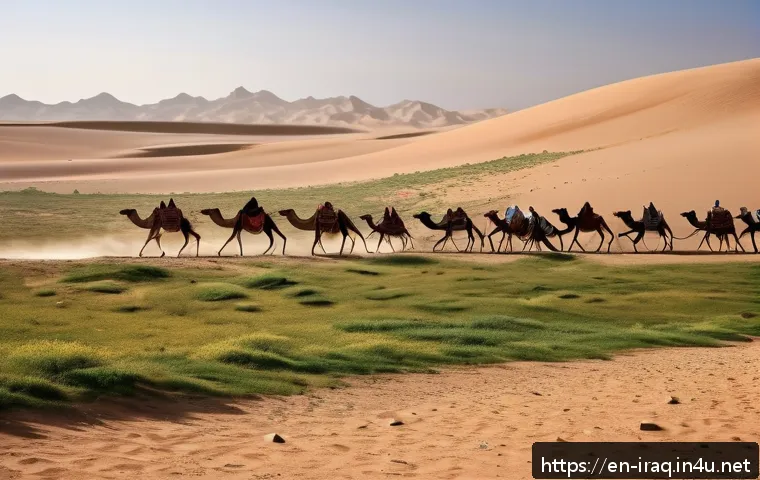
Living in the vast, unforgiving deserts of Iraq demands an intimate knowledge of the land’s rhythms. These tribes follow age-old migratory paths, moving their herds between water sources and grazing grounds depending on the season.
This cyclical movement is not random; it is a finely tuned dance with nature that ensures survival. I’ve heard from locals how these routes are passed down through generations, each family responsible for maintaining specific trails.
The knowledge embedded in these journeys reflects a profound connection to the environment that modern urban life often overlooks.
Traditional Attire and Its Practicality
The desert climate is brutal, with scorching days and chilly nights, and the clothing choices of these tribes are a perfect blend of function and culture.
Their garments, often made from lightweight but durable fabrics, protect against the sun and sand while allowing for ventilation. Colors and patterns also carry symbolic meanings, denoting tribal affiliations or social status.
Observing their attire, it’s clear that every stitch serves a purpose beyond aesthetics, representing a harmony between tradition and practicality honed over centuries.
Oral Histories and Storytelling
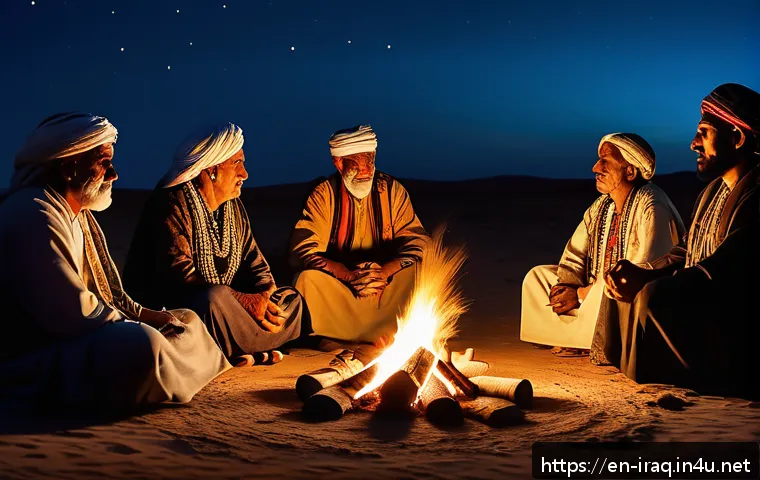
In the absence of written records, oral storytelling is the lifeblood of cultural preservation. Elders recount tales of ancestors, heroic deeds, and moral lessons during communal gatherings under starry skies.
I found these stories deeply moving, filled with wisdom and humor, and they act as a living archive for the tribe’s identity. Storytelling sessions are not merely entertainment; they reinforce social bonds and transmit values essential for community cohesion in such isolated settings.
Social Structures Rooted in Kinship and Honor
Clan Networks and Leadership Roles
The social fabric of these tribes is tightly woven through kinship ties and mutual obligations. Leadership is typically vested in respected elders or sheikhs who have earned their position through wisdom and fairness rather than formal election.
Their role involves mediating disputes, guiding decision-making, and representing the tribe in external matters. I’ve observed how this leadership style fosters a sense of accountability and unity, as decisions are often made with the collective good in mind rather than individual gain.
Gender Roles and Community Responsibilities
While traditional gender roles are pronounced, with men often responsible for herding and protection and women managing household tasks and crafts, there is flexibility shaped by necessity.
Women’s skills in weaving, food preparation, and herbal knowledge are highly valued, contributing to both economic and cultural resilience. Listening to personal stories, I realized how these roles, though distinct, create a complementary balance essential for survival in such demanding environments.
Conflict Resolution and Justice Systems
Disputes within the tribe are resolved through customary law, emphasizing reconciliation and restitution over punishment. Elders act as mediators, employing a system that prioritizes restoring harmony rather than deepening divisions.
This approach, rooted in a shared sense of honor, contrasts sharply with formal legal systems and offers a glimpse into alternative models of justice shaped by community interdependence.
Subsistence Strategies in an Arid Environment
Animal Husbandry and Resource Management
Raising camels, goats, and sheep is central to desert survival, providing meat, milk, and materials like wool and leather. The tribes have developed intricate methods to ensure sustainable grazing, rotating pastures to prevent depletion.
I was fascinated to learn how they monitor water sources carefully, sometimes traveling great distances to secure supplies during droughts. This stewardship reflects a deep respect for the fragile ecosystem they inhabit.
Foraging and Traditional Medicine
Beyond livestock, desert plants play a vital role in diet and health. The tribes possess extensive knowledge of edible and medicinal flora, using herbs to treat common ailments.
I recall a conversation where a tribal healer described using local plants to alleviate digestive issues or wounds—knowledge that has been refined through trial and error over centuries.
This traditional medicine remains an essential complement to modern healthcare, especially in remote areas.
Craftsmanship and Trade
Handmade goods such as woven textiles, pottery, and jewelry not only serve daily needs but also act as trade commodities with neighboring communities.
These crafts are expressions of identity and creativity, often featuring motifs that tell stories or signify tribal heritage. Watching artisans at work, I was struck by the patience and skill involved, underscoring how craft sustains both culture and economy.
Spiritual Beliefs Interwoven with Daily Life
Rituals and Ceremonies
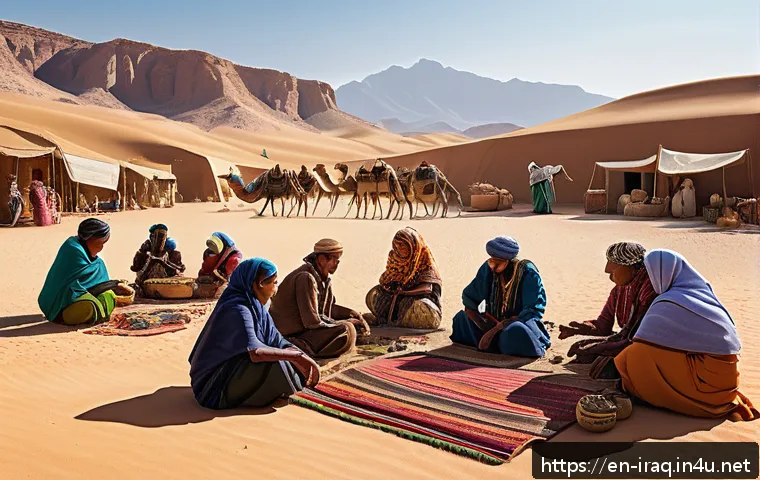
Religious and spiritual practices permeate every aspect of life, from birth to marriage and death. Rituals often blend Islamic traditions with pre-Islamic customs, creating a unique spiritual tapestry.
I’ve witnessed ceremonies where poetry, music, and dance come together to honor ancestors or seek blessings, reinforcing communal bonds and a sense of continuity across generations.
Symbols and Sacred Spaces
Certain natural features like wells, trees, or rock formations hold spiritual significance, often regarded as protectors or sources of blessing. These sacred sites are carefully preserved and visited during important events.
This reverence for the land complements their practical relationship with the environment, highlighting a worldview that sees nature as both provider and sacred entity.
Role of Spiritual Leaders
Spiritual leaders, often respected elders or mystics, guide the community in religious observances and offer counsel. Their authority is rooted in deep knowledge and moral integrity rather than formal hierarchy.
Engaging with them reveals a rich spiritual dimension that sustains hope and resilience, particularly in times of hardship or uncertainty.
Adaptation to Modern Pressures and Change
Balancing Tradition with Contemporary Influences
As Iraq modernizes, these tribes face pressures to adapt while preserving their heritage. Some younger members seek education or urban employment but maintain ties to their roots.
I’ve seen initiatives where technology helps document language and customs, bridging the old and new. This dynamic balancing act is a testament to their resilience and openness to change without losing identity.
Challenges from Environmental and Political Shifts
Climate change, land disputes, and regional conflicts pose significant threats to traditional lifestyles. Water scarcity and desertification force adjustments in migration and resource use.
Politically, tribal autonomy can be compromised by shifting governance. Despite these challenges, the tribes’ deep knowledge and community solidarity provide a foundation for navigating uncertainty.
Opportunities for Cultural Preservation and Tourism
There is growing interest globally in sustainable and cultural tourism, offering tribes a platform to share their stories and generate income. Careful management is essential to avoid exploitation, but when done respectfully, it fosters cross-cultural understanding and economic benefits.
I’ve met travelers who returned transformed by these encounters, highlighting the power of authentic cultural exchange.
Comparative Overview of Key Tribal Practices
| Aspect | Description | Modern Adaptation |
|---|---|---|
| Migration Patterns | Seasonal nomadic routes following water and pasture | Some routes shortened due to land restrictions, GPS used for navigation |
| Clothing | Traditional garments for protection and identity | Blending traditional fabrics with modern materials for comfort |
| Livelihood | Animal husbandry, foraging, craft production | Integration of market trade and occasional wage labor |
| Social Structure | Clan-based leadership and customary law | Interaction with formal legal systems and local governance |
| Spirituality | Blend of Islamic and indigenous practices | Preservation through education and cultural programs |
In Conclusion
The enduring traditions of these Iraqi desert tribes reveal a profound relationship with their environment and community. Despite modern pressures and environmental challenges, their resilience shines through adaptive strategies and cultural preservation. Witnessing their way of life offers valuable insights into balancing heritage and change. Their stories remind us of the strength found in unity, respect, and deep-rooted knowledge.
Useful Information to Keep in Mind
1. Nomadic routes are carefully maintained and passed down through generations to ensure sustainable survival in harsh desert conditions.
2. Traditional clothing not only serves cultural identity but also provides practical protection against extreme weather.
3. Oral storytelling is a vital tool for preserving history, values, and social cohesion within the tribe.
4. Leadership and conflict resolution emphasize community welfare and honor over formal legal systems.
5. Modern challenges like climate change and political shifts require flexible adaptation while preserving cultural heritage.
Key Takeaways
Understanding these tribes means appreciating how their social structures, spiritual beliefs, and subsistence methods are intricately linked to their environment. Their approach to leadership, justice, and cultural expression highlights a system built on trust and reciprocity. As they navigate contemporary pressures, the balance between tradition and innovation remains crucial for their continued vitality and identity.
Frequently Asked Questions (FAQ) 📖
Q: uestionsQ1: How have Iraq’s desert tribes managed to preserve their culture despite modern influences?
A: Iraq’s desert tribes have maintained their cultural identity through strong oral traditions, close-knit family structures, and a deep respect for ancestral customs.
Their nomadic lifestyle, centered around the harsh desert environment, naturally limits outside influences. Many tribes prioritize passing down stories, songs, and rituals from generation to generation, which keeps their heritage alive.
Additionally, their reliance on traditional knowledge for survival—like water conservation and animal husbandry—reinforces cultural continuity in daily life.
Q: What lessons can modern society learn from the resilience of these desert communities?
A: The resilience of Iraq’s desert tribes offers powerful lessons in adaptability, sustainability, and community cohesion. Living in one of the world’s most challenging environments, they’ve developed efficient ways to manage scarce resources and maintain social bonds despite isolation.
Their lifestyle encourages minimal waste, respect for nature, and cooperation among tribe members—principles that can inspire modern efforts toward sustainable living and stronger social networks in urban settings.
Q: Are there any ongoing efforts to document and protect the traditions of these tribes?
A: Yes, there are increasing initiatives by anthropologists, NGOs, and local cultural organizations aiming to document and preserve the rich traditions of Iraq’s desert tribes.
These efforts include recording oral histories, supporting traditional crafts, and promoting cultural festivals. However, political instability and economic challenges in the region can hinder these projects, making community involvement and international support crucial for safeguarding this invaluable heritage for future generations.