In a world where global events constantly reshape the geopolitical landscape, understanding the key players behind these shifts is more important than ever.
Iraq, a nation rich in history and complexity, is currently witnessing influential figures whose decisions ripple far beyond its borders. From political leaders to cultural icons, these individuals are not just shaping Iraq’s present—they’re molding its future.
Join me as we delve into their stories, uncovering the motivations and challenges that define their impact on history today. Whether you’re curious about Middle Eastern affairs or global power dynamics, this exploration promises insights that are both timely and compelling.
Emerging Political Visionaries Shaping Iraq’s Trajectory
Innovative Approaches to Governance
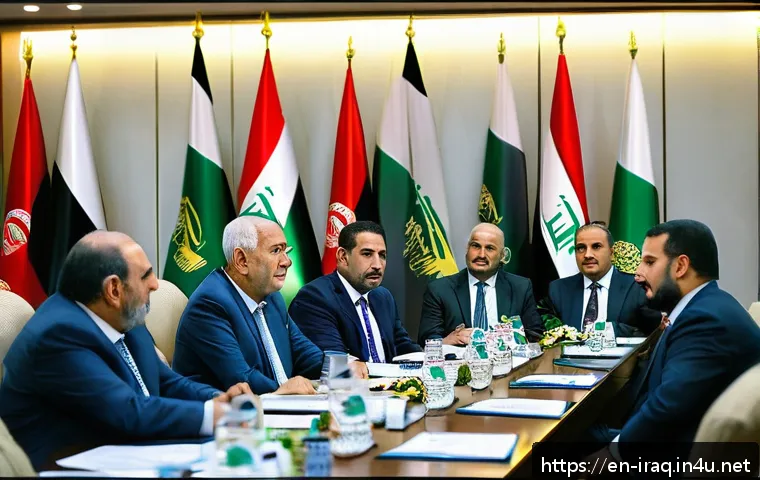
Many emerging political leaders in Iraq are challenging traditional governance models by advocating for greater transparency and inclusivity. Unlike the past, where power was often consolidated within narrow circles, these visionaries emphasize decentralization and participatory decision-making.
From implementing grassroots consultation processes to pushing for digital platforms that allow citizens to voice their concerns directly, their strategies reflect a modern understanding of governance that resonates with younger generations.
This shift is not without challenges, as entrenched interests resist change, but the momentum is undeniable and speaks to a broader desire for reform.
Balancing Sectarian Interests and National Unity
One of the most delicate tasks for current Iraqi leaders is navigating the sectarian landscape that has long influenced the country’s politics. The new generation of political actors strives to transcend sectarian divides by promoting policies that emphasize national identity over factionalism.
This involves crafting coalitions that cut across ethnic and religious lines and fostering dialogue platforms where grievances can be aired constructively.
Their efforts demonstrate a nuanced understanding of Iraq’s social fabric and a determination to forge a more cohesive future, despite the persistent undercurrents of division.
Influence of Regional and International Alliances
Iraq’s geopolitical position makes its political leaders key players on the regional stage, where alliances with neighboring countries and global powers play a significant role.
The emerging political figures often find themselves balancing relationships with Iran, the United States, and Gulf states, seeking to maximize benefits while preserving Iraq’s sovereignty.
Their diplomatic maneuvers reflect a pragmatic approach shaped by lessons from past conflicts and foreign interventions, highlighting the complexity of operating within a multifaceted geopolitical environment.
Innovators Driving Cultural Renaissance in Iraq
Revitalizing Traditional Arts with Contemporary Flair
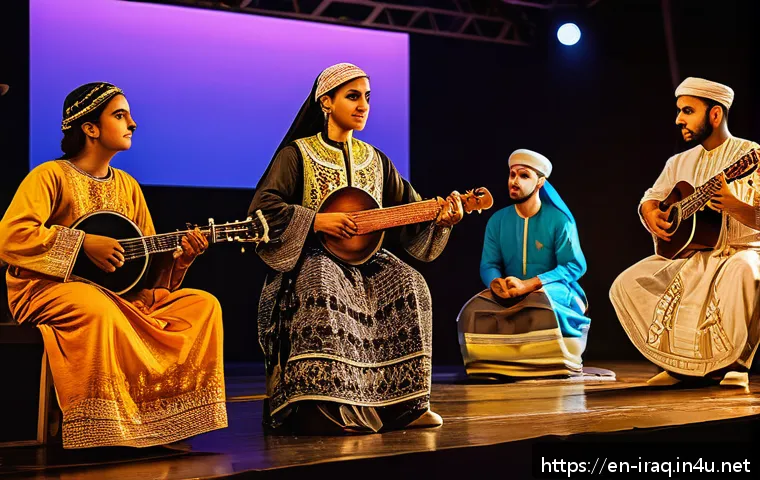
In recent years, cultural innovators in Iraq have taken bold steps to reimagine traditional arts, blending heritage with modern influences. Musicians, visual artists, and performers are incorporating global trends into their work while staying rooted in Iraqi motifs, creating a vibrant cultural scene that attracts both local and international attention.
This fusion not only preserves cultural identity but also empowers younger generations to connect with their roots in fresh, dynamic ways.
Leveraging Social Media for Cultural Advocacy
The rise of social media platforms has given Iraqi cultural figures unprecedented tools to share their narratives and challenge stereotypes. By harnessing these channels, artists and activists amplify their voices, reaching diasporic communities and global audiences alike.
This digital engagement fosters a sense of solidarity and cultural pride, while also raising awareness about social issues within Iraq, from gender equality to heritage preservation.
Educational Initiatives and Youth Engagement
Cultural leaders are increasingly involved in educational programs designed to nurture artistic talent and cultural appreciation among Iraqi youth. Workshops, community projects, and collaborations with international institutions provide avenues for young Iraqis to explore their creativity and gain new skills.
These initiatives contribute to social cohesion and offer constructive outlets that counteract the effects of prolonged conflict and instability.
Economic Trailblazers Transforming Iraq’s Market Landscape
Entrepreneurship Amidst Uncertainty
Despite ongoing economic challenges, a new wave of entrepreneurs in Iraq is driving innovation and diversification. These business leaders are launching startups in technology, renewable energy, and agriculture, often under difficult conditions marked by infrastructural deficits and regulatory hurdles.
Their resilience and creativity are gradually reshaping the economic fabric, creating jobs and inspiring others to pursue ventures that defy conventional limitations.
Harnessing Oil Wealth for Sustainable Development
While Iraq remains heavily dependent on oil revenues, forward-thinking economic figures are advocating for strategic reinvestment to build sustainable industries.
Initiatives focusing on education, infrastructure, and renewable resources aim to reduce the country’s vulnerability to oil price fluctuations. This long-term vision reflects a growing awareness of global economic trends and the need to future-proof Iraq’s economy.
Challenges in Attracting Foreign Investment
Attracting foreign direct investment remains a critical goal for Iraq’s economic leaders, but concerns over security, bureaucracy, and political stability complicate this effort.
Business innovators are working to create more transparent environments, streamline processes, and build trust with international partners. These efforts include promoting public-private partnerships and advocating for legal reforms that protect investors’ interests.
Social Activists Championing Rights and Reforms
Grassroots Movements for Social Justice
A vibrant network of social activists in Iraq is mobilizing around issues such as human rights, gender equality, and anti-corruption. These grassroots movements often operate under challenging circumstances, confronting entrenched power structures and societal norms.
Their persistence has led to tangible changes, including legislative proposals and increased public awareness, signaling a shift toward greater civic engagement.
Women Leading Change in Traditionally Male-Dominated Spheres
Women activists and leaders in Iraq are breaking barriers in politics, business, and civil society. Their efforts not only challenge gender stereotypes but also introduce new perspectives into policymaking and social discourse.
By organizing campaigns, participating in elections, and founding organizations, they are carving out spaces for female voices and inspiring future generations.
Utilizing Digital Platforms for Advocacy
Digital tools have become essential for Iraqi activists to coordinate efforts, share stories, and build communities. Online campaigns and virtual forums transcend geographic and social limitations, enabling wider participation and international solidarity.
This digital activism complements traditional methods and reflects a modern approach to social change.
Security Strategists Navigating Complex Threats
Counterterrorism Leadership in a Fragile Environment
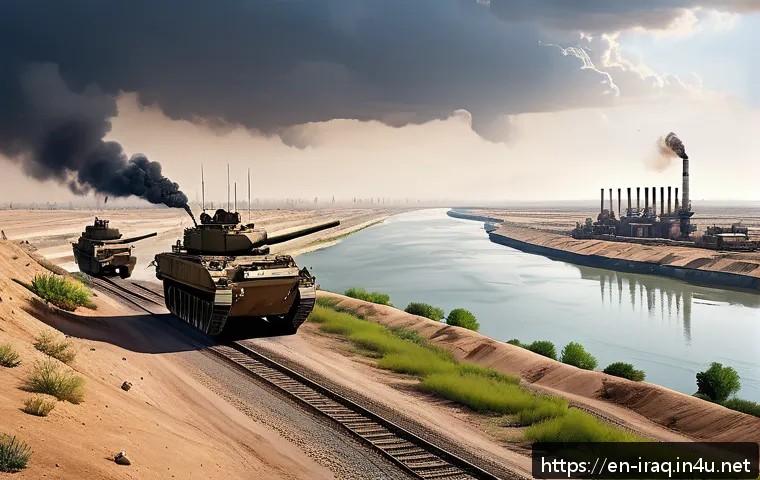
Security experts in Iraq face the daunting task of countering persistent terrorist threats while maintaining public trust. Their strategies combine military operations with intelligence gathering and community engagement to dismantle extremist networks.
The evolving tactics reflect lessons learned from past conflicts and a comprehensive understanding of the socio-political factors that fuel instability.
Rebuilding and Reforming Security Institutions
Efforts to reform Iraq’s security apparatus involve enhancing professionalism, accountability, and coordination among various agencies. These reforms aim to create a unified force capable of responding effectively to diverse threats while respecting human rights.
The process is gradual and complex, requiring sustained political will and international support.

Regional Cooperation on Security Matters
Iraqi security leaders increasingly recognize the importance of regional collaboration to address cross-border challenges. Joint initiatives with neighboring countries focus on intelligence sharing, border control, and countering smuggling networks.
These partnerships illustrate a pragmatic approach to security that transcends historical rivalries.
Table: Key Attributes of Influential Iraqi Figures
| Sector | Primary Focus | Notable Strategies | Challenges Faced |
|---|---|---|---|
| Political Leaders | Governance Reform, National Unity | Decentralization, Cross-Sectarian Coalitions | Entrenched Interests, Sectarian Divides |
| Cultural Innovators | Arts Revival, Youth Engagement | Blending Tradition & Modernity, Social Media Advocacy | Resource Constraints, Social Conservatism |
| Economic Trailblazers | Entrepreneurship, Sustainable Development | Startup Ecosystem, Strategic Oil Revenue Use | Infrastructure, Investment Climate |
| Social Activists | Human Rights, Gender Equality | Grassroots Mobilization, Digital Campaigns | Political Resistance, Cultural Norms |
| Security Strategists | Counterterrorism, Institutional Reform | Integrated Operations, Regional Cooperation | Complex Threats, Institutional Fragmentation |
Technological Pioneers Steering Iraq’s Digital Future
Building a Tech Ecosystem from the Ground Up
Despite infrastructural limitations, Iraqi tech pioneers are laying the groundwork for a burgeoning digital economy. Startups focusing on software development, fintech, and e-commerce are slowly gaining traction, supported by incubators and local investor networks.
Their determination to innovate under challenging conditions speaks to a broader trend of digital transformation across the Middle East.
Addressing Digital Divide and Connectivity Issues
One of the major hurdles for technological progress in Iraq is uneven internet access and digital literacy. Tech leaders are collaborating with NGOs and government bodies to expand connectivity, especially in rural areas.
Educational programs aimed at enhancing digital skills help bridge this gap, fostering inclusivity and enabling broader participation in the digital economy.
Cybersecurity and Data Protection Initiatives
As Iraq’s reliance on digital infrastructure grows, so does the importance of robust cybersecurity measures. Pioneers in this field are developing frameworks to protect data and critical systems against cyber threats.
Their work often involves training local professionals and raising awareness about cyber hygiene, contributing to national security and business confidence.
Media Influencers Shaping Public Perception and Dialogue
Independent Journalism in a Challenging Environment
Media figures committed to independent journalism play a crucial role in informing the public and holding power to account. Operating amid censorship pressures and safety risks, they employ investigative reporting and digital platforms to uncover stories that might otherwise remain hidden.
Their courage and integrity help foster a more informed and engaged citizenry.
Use of Social Media to Foster Dialogue
Influencers and journalists alike use social media to create spaces for public debate, transcending traditional media boundaries. These platforms enable real-time interaction, diverse viewpoints, and rapid dissemination of information.
The resulting conversations often spark broader societal reflections and can influence policymaking indirectly.
Challenges of Misinformation and Polarization
A significant concern within Iraq’s media landscape is the spread of misinformation and its impact on social cohesion. Media influencers actively combat this by promoting fact-checking, media literacy, and responsible reporting.
Their efforts contribute to building trust and resilience against divisive narratives.
Educational Reformers Empowering the Next Generation
Curriculum Modernization and Skill Development
Education reformers in Iraq are advocating for curricula that better prepare students for the demands of a modern economy. Emphasizing critical thinking, STEM subjects, and language skills, these reforms aim to equip youth with tools to thrive in a competitive global environment.
Implementing such changes requires overcoming bureaucratic inertia and resource shortages but is seen as essential for long-term progress.
Expanding Access to Quality Education
Addressing disparities in educational access is a key priority. Reformers focus on improving infrastructure in underserved areas, training teachers, and providing scholarships to marginalized groups.
These initiatives work to level the playing field and ensure that all Iraqi children have opportunities to succeed regardless of background.
Partnerships with International Educational Institutions
Collaborations with universities and organizations abroad bring valuable expertise and resources to Iraq’s education sector. Exchange programs, joint research, and technical assistance help introduce global best practices and foster innovation.
These partnerships also open pathways for Iraqi students to gain international exposure and opportunities.
Conclusion
The emerging leaders and innovators across Iraq are shaping a hopeful path forward through their dedication to reform, unity, and progress. Their efforts, while met with challenges, reflect a resilient spirit determined to build a more inclusive and sustainable future. By embracing modern approaches and fostering collaboration, these visionaries are gradually transforming Iraq’s political, cultural, economic, and social landscapes.
Useful Information to Keep in Mind
1. Iraq’s new political leaders prioritize transparency and inclusivity, pushing for governance reforms that resonate with younger generations.
2. Cultural innovators are blending tradition with contemporary influences, using digital platforms to promote Iraqi heritage globally.
3. Economic trailblazers focus on entrepreneurship and sustainable development despite infrastructural and investment challenges.
4. Social activists, especially women, are driving social justice and gender equality through grassroots and digital advocacy.
5. Technological pioneers and security strategists work together to build a secure, connected, and digitally advanced Iraq.
Key Takeaways
Understanding Iraq’s complex transformation requires recognizing the interplay between emerging leadership and ongoing challenges. Progress hinges on balancing tradition with innovation, fostering unity beyond sectarian lines, and strengthening institutions across sectors. While obstacles persist, the commitment of dedicated individuals across political, cultural, economic, social, and security spheres signals meaningful momentum toward a more stable and prosperous Iraq.
Frequently Asked Questions (FAQ) 📖
Q: uestionsQ1: Who are the most influential political leaders currently shaping Iraq’s future?
A: Iraq’s political landscape is shaped by a mix of seasoned politicians and emerging figures. Leaders such as Prime Minister Mohammed Shia’ Al Sudani play a crucial role in navigating internal challenges like sectarian divisions and economic reforms.
Additionally, influential parliamentary members and regional power brokers, including representatives from various ethnic and religious groups, contribute significantly to policy-making.
Their decisions often balance domestic stability with foreign relations, especially considering Iraq’s strategic position between regional powers.
Q: How do cultural icons impact Iraq’s geopolitical influence?
A: Cultural icons in Iraq—ranging from artists and writers to religious leaders—serve as powerful voices that reflect and shape public sentiment. Their influence extends beyond art and culture; they often promote national identity and social cohesion during turbulent times.
By highlighting Iraq’s rich heritage and advocating for peace and unity, these figures can indirectly affect political discourse and international perceptions, thereby contributing to Iraq’s soft power on the global stage.
Q: What are the biggest challenges these key figures face in their efforts to mold Iraq’s future?
A: The challenges are multifaceted. Politically, leaders must manage sectarian tensions, corruption, and the aftermath of foreign interventions. Economically, they face the task of diversifying an oil-dependent economy while addressing unemployment and infrastructure needs.
Socially, there is pressure to reconcile diverse ethnic and religious communities. Furthermore, external influences from neighboring countries and global powers complicate decision-making.
Navigating these complex dynamics requires resilience, strategic vision, and often compromise, making their roles both demanding and critical for Iraq’s stability and progress.