Hey there, flavor explorers! You know, I’m always on the hunt for ways to make our everyday meals feel like a grand adventure, right from our own kitchens.
And lately, my taste buds have been absolutely captivated by a culinary treasure trove that’s often overlooked: the vibrant, complex world of Iraqi cuisine.
It’s a true hidden gem, rich with history and brimming with flavors that tell stories of ancient lands and bustling markets, a real journey for anyone looking to expand their cooking repertoire.
If you’re anything like me, you understand that the secret heart of any incredible dish lies in its spices. And let me tell you, Iraqi traditional spices are a marvel all their own.
I’ve personally found that incorporating blends like Baharat, with its warm embrace of cinnamon, cumin, and cardamom, or even just a dash of authentic sumac, instantly transforms simple ingredients into something extraordinary, truly elevating my home cooking to an art form.
It’s not just about adding heat; it’s about depth, aroma, and a nuanced profile that you just don’t find everywhere. These aren’t just ingredients; they are the soul of Iraqi cooking, promising an authentic experience that makes your meals unforgettable and might just spark the next big global food trend in your own pantry.
Ready to unlock these incredible flavors and add some serious zest to your plate? Let’s dive deep into the fascinating world of Iraqi traditional spices and discover their magic together right below!
Unveiling the Soul of Iraqi Cuisine Through its Aromatics
You know, for the longest time, I thought I had a pretty good handle on global flavors. I mean, I’ve dabbled in everything from Thai curries to Mexican moles. But when I first stumbled upon the incredible depth and warmth of Iraqi cuisine, it was like discovering a whole new dimension of taste that I never knew existed. It’s not just about the food itself, but the stories told through each fragrant pinch and vibrant dash of spice. What truly sets Iraqi dishes apart, in my experience, is the masterful way these ancient spices are blended and balanced. It’s a culinary art form passed down through generations, and let me tell you, trying to recreate it at home has been one of the most rewarding adventures in my kitchen. It’s not just about adding a pinch of this or that; it’s about understanding the symphony of flavors, the subtle notes that make each dish sing. My own journey into this world started with a simple packet of Baharat, and honestly, my cooking hasn’t been the same since. The complexity and soul these spices bring to even the simplest ingredients are just mind-blowing, and it truly changed how I think about seasoning.
The Spice Blend that Whispers History: Baharat
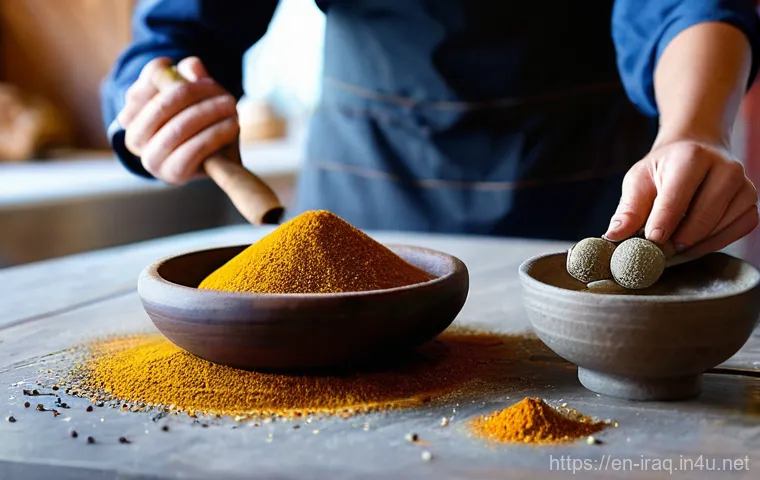
If there’s one blend that absolutely encapsulates the heart of Iraqi cooking, it has to be Baharat. When I first opened a jar of authentic Baharat, the aroma alone was enough to transport me straight to a bustling market in Baghdad. It’s this incredible symphony of warm, earthy, and slightly sweet notes – a beautiful dance of cinnamon, cardamom, cloves, cumin, nutmeg, and black pepper, often with a hint of paprika or dried lime. I remember making my first batch of Iraqi Kubba (those delicious bulgur and meat dumplings) using a homemade Baharat blend, and the difference was just astounding. My family couldn’t get enough of it! It’s not just a seasoning; it’s the very soul of many traditional dishes. I’ve found that grinding your own spices for Baharat really intensifies the flavor, and the effort is absolutely worth it. This blend is so versatile; I use it not only in traditional stews and rice dishes but also as a rub for grilled meats or even sprinkled over roasted vegetables for an unexpected kick. It truly elevates everything it touches, giving a rich, comforting depth that feels both exotic and incredibly homey all at once. It’s a blend that evokes warmth and tradition, making every meal a celebration.
The Tangy Touch: Sumac’s Zest
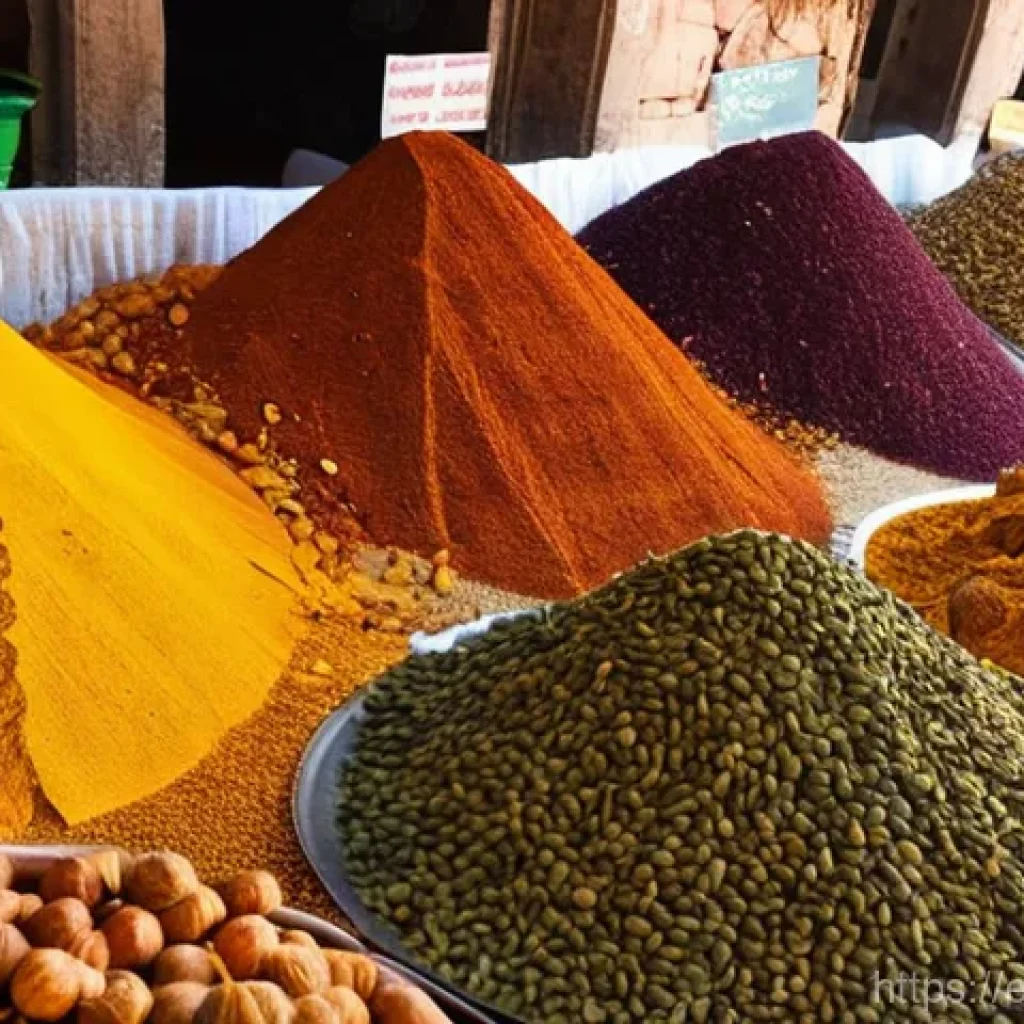
Speaking of transformative spices, let’s talk about sumac. Before I delved into Middle Eastern cooking, sumac was just a word I’d occasionally see on a gourmet grocery shelf. Now? It’s an absolute staple in my pantry! It brings this vibrant, tart, almost citrusy flavor that is completely unique. It’s not just sour; there’s a lovely, almost fruity undertone that brightens up heavier dishes beautifully. I often find myself sprinkling it generously over salads, hummus, or even grilled chicken, and it just instantly lifts the flavor profile. One of my favorite ways to use it is in a simple red onion and parsley salad, which is a common accompaniment to many Iraqi meals. The sumac just makes those flavors pop in the most delightful way. I even mix it with a little olive oil and brush it over flatbread before baking for a truly aromatic treat. The deep reddish-purple hue of good quality sumac is also visually stunning, adding a beautiful color to your dishes. It’s a spice that really wakes up the palate and adds a refreshing counterpoint to richer flavors, something I truly appreciate when crafting a balanced meal. Its distinct tanginess provides a wonderful contrast, making it indispensable for many traditional preparations.
| Spice | Flavor Profile | Common Uses in Iraqi Cuisine |
|---|---|---|
| Baharat | Warm, earthy, slightly sweet, aromatic, savory | Stews (Maraq), Rice dishes (Tashreeb), Kubba, grilled meats, vegetable roasts |
| Sumac | Tangy, tart, citrusy, slightly fruity | Salads, marinades, grilled fish, rice, sprinkled over hummus |
| Dried Lime (Loomi/Noomi Basra) | Pungent, sour, earthy, fermented, slightly smoky | Lamb stews, chicken dishes, rice, lentil soups |
| Cardamom | Sweet, pungent, aromatic, citrusy, floral | Coffee, tea, rice puddings, desserts, some savory dishes like chicken and rice |
| Cumin | Earthy, warm, slightly bitter, pungent | Stews, soups, lentil dishes, roasted vegetables, meat marinades |
Beyond the Basics: Unlocking Unique Flavors with Dried Lime
Okay, so we’ve talked about some of the big hitters, but let’s dive into a truly distinctive Iraqi ingredient that, once you try it, you’ll wonder how you ever cooked without it: dried lime, often called Loomi or Noomi Basra. I remember the first time I saw these dark, shriveled little orbs, I was completely intrigued. They don’t look like much, but their flavor? Absolutely mind-blowing! It’s a profound, earthy sourness with a subtle smoky depth that fresh lime just can’t replicate. When I’m making a classic Iraqi lamb stew, like Tashreeb, I’ll often pierce a few whole dried limes and let them simmer away in the broth. As they rehydrate, they release this incredible, complex sour note that cuts through the richness of the meat and forms the backbone of the dish’s flavor. It’s a game-changer! I’ve also found that grinding dried lime into a powder and adding it to rice dishes or even lentil soups gives them an unparalleled brightness and a unique aromatic quality. It’s not just about adding tartness; it’s about adding a layered, ancient flavor that truly transports you. This is one of those secret ingredients that makes Iraqi cuisine so special, and personally, I can’t imagine my kitchen without it now. It truly imparts a depth and character that is simply irreplaceable, making it a cornerstone for those seeking truly authentic tastes.
The Warm Embrace: Cinnamon and Cardamom’s Role
While cinnamon and cardamom might seem familiar from many global cuisines, their application and prominence in Iraqi cooking are truly special. In my own cooking, I’ve noticed how Iraqi dishes often use cinnamon in a more savory context than I was used to. It’s not just for sweet treats; it brings a beautiful warmth and a subtle sweetness that balances out savory meats and rich tomato-based sauces. I’ve added a stick of cinnamon to lamb stews and rice pilafs, and the aroma that fills my kitchen is just divine. It’s comforting and exotic all at once. Cardamom, on the other hand, is a star in both sweet and savory applications. Of course, there’s the iconic Iraqi tea, brewed strong with crushed cardamom pods – a ritual I’ve wholeheartedly adopted into my own daily routine. But I’ve also been experimenting with adding a hint of ground cardamom to chicken and rice dishes, and even some lentil soups. It gives this amazing floral, almost citrusy kick that brightens everything up. The combination of these two spices, used thoughtfully, creates an aromatic foundation that’s both deeply comforting and incredibly sophisticated, truly embodying the generous spirit of Iraqi hospitality. I’ve personally found that the quality of these spices makes all the difference; fresh, fragrant cinnamon and green cardamom pods elevate your dishes to a whole new level.
Earthy Depths: Cumin and Coriander’s Foundation
When you think about the bedrock of flavor in many Middle Eastern cuisines, cumin and coriander are usually right there at the top, and Iraqi cooking is no exception. However, what I’ve discovered is the specific balance and way they’re used can be quite nuanced. Cumin, with its distinctive earthy and slightly bitter notes, provides an essential savory depth to everything from meat kofta to hearty lentil soups. I often toast my whole cumin seeds lightly before grinding them, and the difference in aroma and flavor is just night and day – a tip I picked up from an amazing Iraqi friend. It really intensifies that warm, nutty essence. Coriander, with its bright, citrusy, and slightly peppery notes, complements cumin beautifully. I find that using both ground coriander and fresh cilantro (which comes from the same plant) adds layers of flavor that are incredibly appealing. I’ve incorporated this duo into countless marinades for chicken and lamb, and they consistently deliver that authentic, mouth-watering taste I’m always chasing. They don’t just add flavor; they weave a foundational aromatic tapestry that defines many traditional Iraqi dishes, making them feel robust and incredibly satisfying. It’s a combination that truly brings out the best in meats and vegetables, making them sing with a delicious, earthy vibrancy.
Crafting Culinary Masterpieces with Iraqi Spices in Your Kitchen
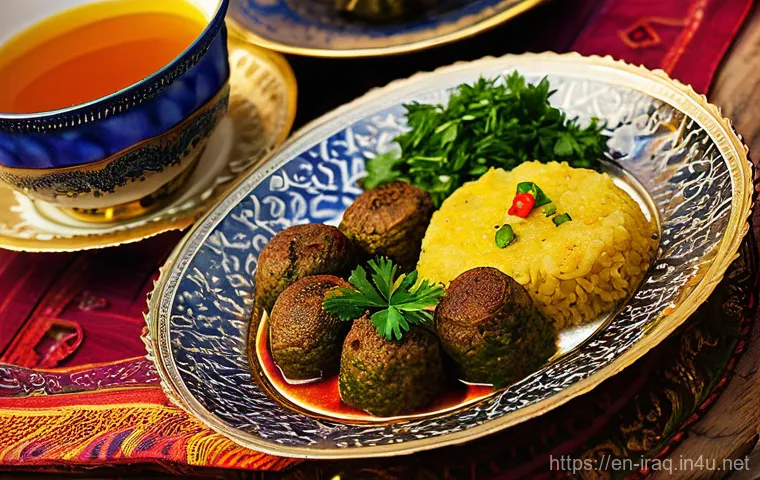
One of the most exciting aspects of exploring Iraqi spices is realizing how accessible it is to start incorporating them into your everyday cooking. You don’t need a super-specialized pantry to begin. I’ve found that even just getting a good quality Baharat blend can completely transform your weeknight meals. Imagine taking a simple roasted chicken or a basic rice pilaf and, with a sprinkle of this magical blend, elevating it into something that tastes like it came straight from a gourmet kitchen. It’s truly empowering! I often start by experimenting with small amounts and then adjusting to my taste. For instance, I love to rub a mix of Baharat, a little olive oil, and some garlic powder on chicken thighs before roasting. The aroma that fills my home is just incredible, and the flavor is rich, complex, and incredibly satisfying. It’s about taking those first delicious steps and allowing yourself to be adventurous. You’ll be amazed at how quickly these new flavors become familiar and beloved in your own culinary repertoire. It’s not just about cooking a dish; it’s about embarking on a flavor journey right from your own stove, creating memorable meals that tell a story with every single bite.
Sourcing Authentic Spices: My Tips for Success
Alright, so you’re probably wondering where to get your hands on these incredible spices, right? I totally get it. Quality makes a monumental difference. My personal journey has taught me that while mainstream grocery stores might carry some basic spices, for truly authentic Iraqi flavors, you’ll want to seek out specialty spice shops, Middle Eastern markets, or reliable online retailers. When I first started, I made the mistake of buying some pre-ground spices that were a bit stale, and the flavors just fell flat. Since then, I’ve learned to prioritize whole spices whenever possible, especially for blends like Baharat, and grind them myself right before use. The difference in aroma and potency is astounding! Look for vibrant colors, strong fragrances, and clear origins if possible. For things like dried lime, check for a firm texture and a rich, dark color. Don’t be afraid to ask questions at your local ethnic markets; the vendors often have a wealth of knowledge and can guide you to the freshest, most authentic ingredients. Trust me, investing in high-quality spices is like investing in flavor insurance – it guarantees your dishes will sing with vibrancy and authenticity every single time. It truly makes all the difference in achieving that deep, resonant flavor you’re looking for.
Beyond the Recipe: Making Iraqi Spices Your Own
Here’s the thing about cooking with spices: it’s not just about rigidly following a recipe. It’s about understanding the flavors and making them your own. I’ve personally found so much joy in experimenting with Iraqi spices, even in dishes that aren’t traditionally Iraqi. For example, I’ve started adding a pinch of Baharat to my regular chili recipe, and it gives it this incredible, unexpected depth that my friends rave about. Or sometimes, I’ll sprinkle a little sumac over avocado toast for a tangy twist that’s absolutely delicious. The beauty of these spices lies in their versatility. Once you get a feel for their individual profiles – the warmth of Baharat, the tang of sumac, the earthy depth of dried lime – you can begin to intuitively incorporate them into your own cooking, adapting them to your palate and whatever ingredients you have on hand. It’s about being brave and letting your taste buds lead the way. Don’t be afraid to play around; that’s where the real magic happens and where you truly start to develop your unique culinary voice. It’s an adventure in flavor that keeps on giving, transforming even simple meals into something extraordinary and uniquely yours.
Wrapping Things Up
And there you have it, my friends! What an incredible journey we’ve taken through the aromatic landscapes of Iraqi cuisine. Honestly, diving into these spices has been one of the most enriching culinary experiences of my life, opening up a world of flavors I never knew I was missing. It’s truly amazing how a handful of carefully chosen spices can tell such a profound story, bringing warmth, depth, and character to every dish. I really hope this deep dive encourages you to step out of your comfort zone and bring some of these incredible flavors into your own kitchen. Trust me, your taste buds will thank you, and you’ll discover a whole new layer of culinary joy!
Useful Information to Know
1. Start with Quality Ingredients: Just like with any cooking, the quality of your spices makes all the difference. Seek out fresh, vibrant spices from reputable sources like specialty spice shops or Middle Eastern markets for the most authentic and potent flavors. Older, dull spices simply won’t give you the same impact.
2. Toasting for Maximum Flavor: Many whole spices, especially cumin and coriander, benefit immensely from a quick toast in a dry pan before grinding. This simple step awakens their essential oils, intensifying their aroma and depth, making your dishes sing.
3. Understanding Baharat’s Versatility: Don’t limit Baharat to just traditional Iraqi dishes. I’ve found it’s fantastic as a rub for roasted chicken, a seasoning for roasted vegetables, or even a flavorful addition to your everyday rice. Its warm, complex profile complements so many ingredients.
4. Dried Lime: A Game-Changer: If you’re looking to truly elevate your stews and soups, dried lime (Loomi or Noomi Basra) is your secret weapon. Its unique earthy, sour, and slightly smoky notes provide an unparalleled depth that fresh lime can’t replicate, giving your cooking an authentic edge.
5. Taste and Adjust: As you experiment with these new spices, always taste as you go. Start with a smaller amount and add more until you reach your desired flavor profile. This allows you to really get a feel for how each spice contributes and helps you tailor dishes to your personal preference.
Key Takeaways
Exploring Iraqi spices is an invitation to a rich culinary tradition, characterized by complex yet comforting flavors. The cornerstone is Baharat, a warm and aromatic blend that infuses countless dishes with its soulful essence. Sumac introduces a vibrant, tangy zest, brightening everything it touches, while the distinctive, earthy sourness of dried lime provides unparalleled depth. Familiar spices like cinnamon and cardamom are ingeniously woven into both savory and sweet contexts, adding warmth and delicate fragrance. Cumin and coriander form the foundational earthy base, creating robust and satisfying profiles. My personal experience has shown that sourcing high-quality, often whole, spices is paramount, and a willingness to experiment beyond strict recipes is key to truly making these flavors your own. By understanding these core ingredients and embracing a little culinary adventure, you can transform your everyday meals into extraordinary, aromatic feasts that resonate with history and flavor.
Frequently Asked Questions (FAQ) 📖
Q: What are the must-have Iraqi traditional spices I should know about to kickstart my flavor journey?
A: Oh, this is such a fantastic question! If you’re ready to truly dive into the heart of Iraqi cuisine, there are a few star players that absolutely belong in your spice cabinet.
From my own culinary adventures, the first one that comes to mind, and frankly, a true game-changer, is Baharat. Think of it as the ultimate all-purpose Middle Eastern blend.
While every family and region might have their secret twist, a classic Baharat usually delivers this incredible warmth with notes of cinnamon, cumin, coriander, cardamom, and even a hint of nutmeg and cloves.
When I first smelled a freshly toasted Baharat mix, I was instantly transported to a bustling Baghdad market – it’s that evocative! It’s not spicy-hot in the way some cuisines are; instead, it offers a deep, aromatic, and savory profile that just hugs your taste buds.
It’s what gives many Iraqi stews, rice dishes, and meats their signature comforting flavor. Then there’s Sumac, and let me tell you, this one is pure magic!
It’s made from the dried, ground berries of the sumac plant and has this gorgeous deep red color that instantly makes dishes pop. But the real star quality of sumac is its flavor: a bright, tangy, almost lemony tartness without the liquid.
I personally love how it adds a zesty finish to everything from salads to grilled meats. It’s vibrant, refreshing, and truly unique. Beyond these blends, you’ll find individual spices like fragrant cardamom (especially green cardamom), earthy cumin, bright turmeric, and sweet cinnamon playing crucial roles in Iraqi cooking, often used generously and in combination to build those complex, layered flavors we adore.
Trust me, once you start experimenting with these, your kitchen will thank you!
Q: How can I actually use these Iraqi spices in my everyday cooking to make my meals amazing and impress my family and friends?
A: This is where the real fun begins, my friends! Integrating these incredible Iraqi spices into your daily cooking is surprisingly easy, and the payoff in flavor is enormous.
For Baharat, I’ve personally found it to be a dream for meats. Try using it as a dry rub for chicken, lamb, or even beef before grilling, roasting, or pan-frying.
The warm spices truly penetrate the meat, creating a rich, savory crust. One of my go-to’s is sprinkling a generous amount over chicken pieces with a drizzle of olive oil before popping them in the oven – it’s so simple but tastes incredibly gourmet.
You can also mix it into ground meat for meatballs (kofta-style!) or use it to season rice dishes like biryani for an aromatic foundation. I even love adding a teaspoon to lentil soups or hearty stews; it just deepens the flavor wonderfully.
Now, for Sumac, think of it as your secret weapon for a bright, tangy finish. I use it almost like a squeeze of lemon juice, but with a more nuanced, earthy undertone.
It’s absolutely essential in many Middle Eastern salads like fattoush, where its tartness cuts through the richness of other ingredients beautifully. I love dusting it over grilled vegetables, especially eggplant or zucchini, right after they come off the heat.
It also works wonders sprinkled over hummus, yogurt dips, or even avocado toast for an unexpected zing. Seriously, try it on plain rice or eggs – it’s a revelation!
A little goes a long way, giving that bright, zesty kick that truly elevates a dish from good to unforgettable. These spices aren’t just for fancy dinners; they make weeknight meals feel special with minimal effort, and I can tell you from experience, they will get people asking for your recipes!
Q: I’m ready to stock up! Where can I find authentic Iraqi spices, and what are your personal tips for buying the best quality?
A: That’s the spirit! Sourcing quality spices makes all the difference, and I’ve definitely learned a thing or two on my quest for the best. My absolute top recommendation for finding authentic Iraqi spices is to seek out local Middle Eastern or international grocery stores.
These places are usually treasure troves, and you’ll often find them selling spices in bulk, which is fantastic for freshness and value. I’ve had some of my most exciting finds simply by wandering the spice aisles of these markets and asking the shop owners for their recommendations.
They often have specific Iraqi blends or individual spices that are incredibly fresh. If you don’t have a local gem nearby, the next best option is reputable online spice retailers.
Look for companies that specialize in Middle Eastern or global spices, as they often have a higher turnover and therefore fresher products. When buying online, I always check customer reviews for mentions of freshness and aroma.
My personal tip for ensuring the best quality, whether online or in person, is to prioritize whole spices whenever possible. Grinding spices yourself right before you use them releases an explosion of aroma and flavor that pre-ground simply can’t match.
A simple coffee grinder dedicated solely to spices works wonders! If you have to buy pre-ground, make sure the color is vibrant and the aroma is strong – dull color and faint smell are usually signs of older, less potent spices.
Storing your spices in airtight containers away from heat and light will also keep them vibrant longer, ensuring every dish you make sings with flavor.