Iraq. Just the name conjures up images for many, right? For years, it’s been a place we hear about in headlines, often framed by complex global events.
But as an avid traveler and someone who deeply values cultural understanding, I’ve always felt a pull to look beyond the surface. What’s truly happening on the ground, especially for those of us considering a visit or even looking at business prospects?
You might be surprised to find a nation actively rebuilding, brimming with ancient history and incredible hospitality, yet still navigating a very dynamic landscape.
From understanding the latest security updates to respectfully engaging with its rich traditions and even grasping the evolving economic shifts, there’s a lot to consider before you pack your bags.
We’ve seen some interesting changes, like the recent shift to an electronic visa system that could affect your travel plans, and an economy showing signs of growth beyond its oil reliance.
It’s a place that asks for thoughtful preparation, but in return, offers experiences unlike anywhere else. Let’s dive deeper into what you truly need to know.
Stepping into the New Travel Era: Visas and Navigating Entry
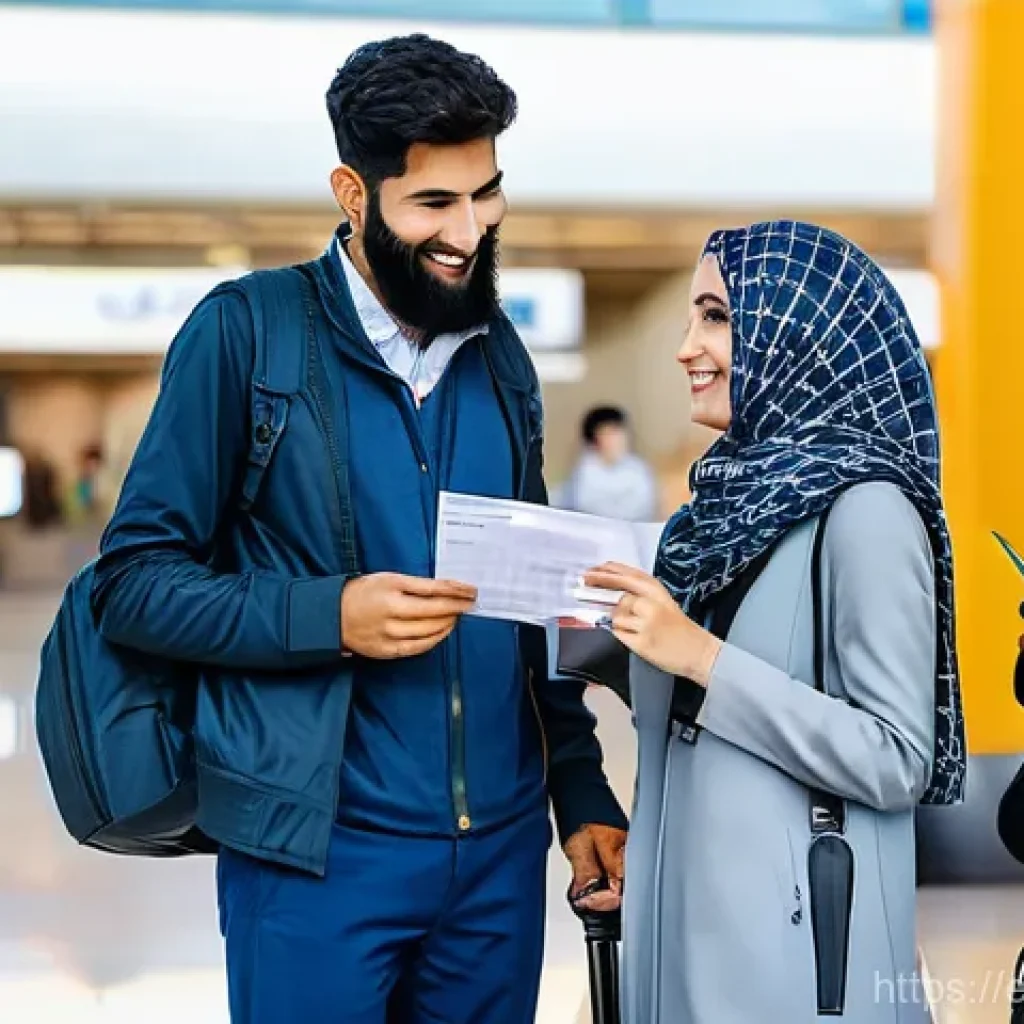
Okay, so let’s talk about getting into Iraq. This is probably one of the first things on everyone’s mind, and I totally get why. Things have really shifted lately, making the process much smoother than you might imagine. For many nationalities, myself included, the days of scrambling for a physical visa at an embassy are largely a thing of the past. Iraq has embraced an electronic visa (e-Visa) system, which, in my experience, is a total game-changer for independent travelers. I remember applying for visas in the past feeling like a daunting task, but the online portal for Iraq’s e-Visa is genuinely straightforward. You fill out a form, upload your passport details and a digital photo, and then securely pay the fee online. It’s a huge relief to get that approval email, knowing a major hurdle is cleared before you even pack your first bag.
Embracing the Electronic Visa: A Modern Gateway
The transition to the e-Visa system, which officially became mandatory for many nationalities as of March 1, 2025, has definitely streamlined the initial step of visiting Iraq. Before this, visa-on-arrival options were common, but the government’s move aims for better control of tourist flows and a digitized, simpler entry process. I’ve heard some people express concerns that this might make things more complicated, but from my perspective, having everything sorted beforehand reduces stress considerably. What I’ve found incredibly useful is that along with the e-Visa fee, you’ll also need to secure Iraqi health insurance through their online National Electronic Insurance platform. This might sound like an extra step, but honestly, it provides an added layer of peace of mind, knowing you’re covered. Don’t forget to bring a physical copy of that health insurance policy with you, as immigration authorities will want to see it upon arrival. It just feels like a more organized and secure approach to welcoming visitors.
Arrival Logistics: What to Expect at the Border
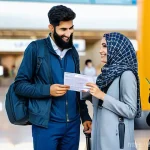
Once you’ve got that shiny e-Visa in hand, the next step is actual arrival. My experience at Baghdad International Airport was surprisingly efficient. After presenting my printed e-Visa and health insurance, the process was quite smooth. However, it’s always smart to be prepared for the unexpected. Things can change, and patience is your best friend when traveling in this region. One crucial thing I learned is that airport shuttles are often the only authorized pick-up from Baghdad International due to security, so splitting a taxi with fellow travelers can be a cost-effective option. Remember, Iraq operates on Iraqi Dinars (IQD), and while USD is widely accepted for exchange, having some local currency for smaller purchases and initial transportation is always a good idea. We’ll dive deeper into money matters a bit later, but just keep in mind that the financial landscape is predominantly cash-based once you’re out of the major hotels.
Navigating Security with Awareness and Respect
Let’s address the elephant in the room: security. I know for many, the very mention of Iraq immediately brings up safety concerns, and honestly, that’s completely understandable given the headlines we’ve seen over the years. But what I’ve personally experienced on the ground is a nuanced reality. While some government advisories still caution against all travel, particularly to certain border regions, I’ve found that with thoughtful planning, local guidance, and a healthy dose of awareness, it’s possible to have an incredibly rewarding journey. It’s not a destination for the faint of heart or those who prefer completely undirected wandering, but for the adventurous soul, the rewards are immense. The key, in my opinion, is to understand the current situation, stick to well-traveled routes, and always, always listen to local advice. I’ve found the Iraqi people to be incredibly resilient and, above all, hospitable, which genuinely makes a difference in feeling safe and welcome.
Understanding Designated Safe Zones and Local Guidance
When you’re looking at travel within Iraq, it’s really important to distinguish between different regions. Areas like Iraqi Kurdistan, in the north, have a distinctly different security profile and often feel much more relaxed and peaceful for visitors. Even in central and southern Iraq, within cities like Baghdad, Karbala, and Najaf, and around major archaeological sites like Babylon and Ur, there are specific routes and zones that are considered much safer for tourists. My advice? Don’t even *think* about going it alone. Traveling with a trusted local guide or as part of an organized tour is not just recommended, it’s often essential, especially for first-time visitors. These guides possess invaluable, real-time local knowledge that no amount of internet research can replace. They know which areas to avoid, how to navigate checkpoints, and how to interact respectfully with local communities, ensuring your experience is both enriching and secure.
Staying Informed and Adapting to the Landscape
The security situation in Iraq, like in many dynamic regions, can be fluid. This means staying informed is paramount. Before and during your trip, keep an eye on international news, but also try to get updates from reliable local sources if you can. Your guide will be your best asset here, providing daily briefings and adjusting plans as needed. I’ve noticed that while there might be occasional demonstrations, especially on politically significant holidays, these are usually predictable and can be avoided with proper planning. The landscape also involves checkpoints, which are a routine part of travel, particularly outside major cities. A good guide will help you navigate these smoothly. It’s all about maintaining a low profile, avoiding large gatherings, and being flexible with your itinerary. My personal feeling is that while it requires extra vigilance, the unique historical and cultural experiences Iraq offers are worth the careful preparation.
Diving Deep into Iraq’s Timeless Heritage
If you’re anything like me, a history buff with a deep fascination for ancient civilizations, then Iraq is going to utterly blow your mind. This isn’t just a country; it’s the cradle of civilization itself! Seriously, walking through these ancient sites feels like stepping back in time thousands of years. I still get goosebumps thinking about standing where Sumerians, Babylonians, and Assyrians once thrived. It’s a profoundly moving experience, realizing that so much of what we consider fundamental to human society – writing, law, astronomy – originated right here. You can literally feel the echoes of history beneath your feet, and it’s unlike anything you’ll encounter anywhere else on earth. Forget crowded museums; here, the entire landscape is an open-air museum, filled with stories waiting to be discovered.
Echoes of Mesopotamia: Must-Visit Ancient Sites
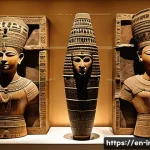
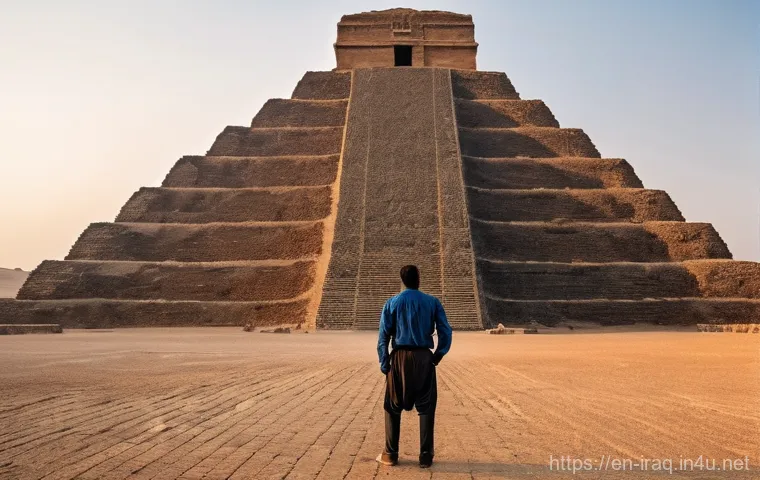
Where do I even begin? The sheer number of historically significant sites is astounding. Of course, Babylon, with its legendary Hanging Gardens (even if only ruins remain) and the magnificent Ishtar Gate, is a non-negotiable must-see. I remember walking the Processional Way and trying to imagine Nebuchadnezzar’s empire at its peak – it was truly awe-inspiring. Then there’s the Ziggurat of Ur, a monumental stepped pyramid dedicated to the moon god Nanna, which stands proudly in the southern plains. It’s just incredible to witness the engineering prowess of the Sumerians firsthand. Another site that captured my imagination was Hatra, a UNESCO World Heritage site in the desert. Even with some damage from past conflicts, its massive circular walls and impressive masonry temples are a sight to behold, showcasing a unique blend of Hellenistic and Roman architectural influences alongside Eastern decorative features. And let’s not forget Ctesiphon, home to the immense Arch of Ctesiphon, the remains of a Sassanid Persian capital. It’s a testament to the grandeur of ancient empires that once dominated this region. Each site tells a different part of humanity’s story, and I felt a deep connection to history at every turn.
Modern Day Cultural Hubs and Artistic Revival
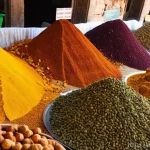
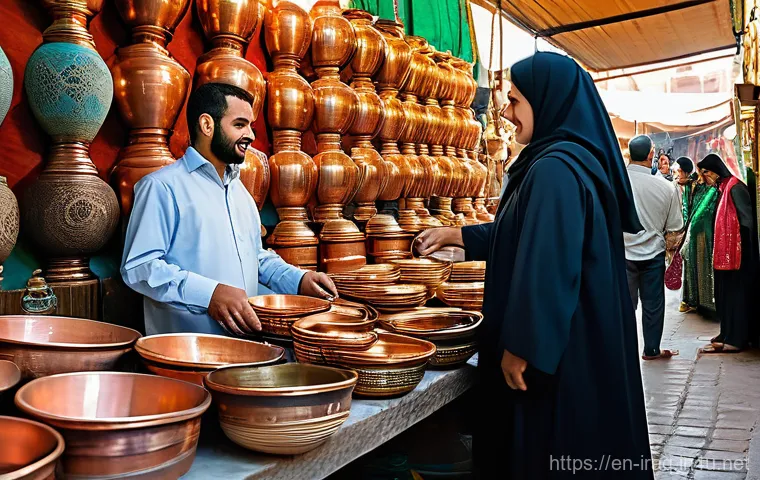
But Iraq’s cultural richness isn’t just confined to ancient ruins; there’s a vibrant contemporary scene too, especially in its major cities. Baghdad, for instance, is actively rebuilding and its cultural pulse is definitely beating stronger. The National Museum of Iraq is an absolute treasure trove, housing artifacts that tell the story of Mesopotamia from its earliest days right up to more recent history. Beyond the museums, you’ll find bustling bazaars, like the famous copper market in Baghdad, where local artisans keep ancient crafts alive. I loved wandering through these markets, soaking in the atmosphere, and watching skilled craftsmen at work – it’s a living connection to the past. Cities like Erbil, with its ancient citadel still standing majestically at its heart, are also seeing a resurgence in cultural activities and artistic expression. There’s a real sense of pride and a determination to revive and showcase Iraq’s incredible heritage, which I found truly inspiring. From traditional music and dance to emerging art galleries, it’s clear that the Iraqi spirit is not only resilient but also deeply creative.
Embracing Iraqi Hospitality and Cultural Norms
One of the most profound aspects of my time in Iraq, something that consistently stood out and truly warmed my heart, was the incredible hospitality of its people. You hear stories, of course, but experiencing it firsthand is something else entirely. Iraqis are genuinely welcoming, often going out of their way to make you feel at home. It’s a hospitality deeply rooted in their culture and faith, and I felt it everywhere, from casual greetings on the street to elaborate invitations into homes. This warmth and generosity are, for me, what truly make a visit to Iraq special, transforming a trip into a deeply personal and unforgettable journey. It’s a reminder that beneath the geopolitical complexities, there’s a vibrant, human heart beating strong.
The Warmth of Iraqi People: My Personal Experiences
I remember one instance vividly: I was in a small tea shop, just trying to navigate the menu, when an older gentleman noticed my slight confusion. Without a word of English, he patiently explained the different teas and sweets, then insisted on paying for my drink, simply saying “Welcome to Iraq” with a warm smile. This wasn’t an isolated incident. I’ve been offered countless cups of tea, shared meals, and engaged in friendly conversations (often with the help of a local guide or translation app) that left me feeling like an honored guest, not just a tourist. It’s a genuine desire to connect and share their culture, and it’s truly humbling. Iraqis also place a strong emphasis on family and community, which you’ll notice in their interactions and the way they conduct daily life. These personal encounters are what truly enrich travel, going far beyond sightseeing and touching the very essence of human connection.
Navigating Social Etiquette and Dress Codes
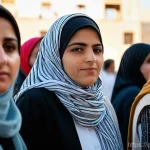
Of course, as with any country, particularly one with a rich cultural and religious heritage, there are social customs and etiquettes to be mindful of. Iraq is predominantly a Muslim country, and respect for Islamic practices is key. This generally means dressing modestly, especially for women. I found that loose-fitting clothing that covers arms and legs is always a safe bet, and carrying a headscarf is essential, especially when visiting mosques or religious sites. Men should also avoid shorts and sleeveless shirts in public. When greeting people, a handshake is common among men, but for women travelers, it’s best to wait for a man to offer his hand first. If invited into someone’s home, which is a great honor, it’s customary to remove your shoes. During meals, eating with your right hand is the norm, and it’s polite to accept a second helping to show appreciation for your host’s generosity. Small gestures of respect, like learning a few basic Arabic phrases, can go a long way in forging positive interactions and showing your appreciation for their culture. It’s about being observant and showing genuine respect for their way of life.
Beyond Oil: Exploring Emerging Economic Opportunities
For so long, Iraq’s economy has been almost synonymous with oil, and while petroleum undeniably remains a massive part of its identity and revenue, there’s a really interesting shift happening beneath the surface. What I’ve been seeing and hearing from folks on the ground is a palpable push towards diversification. It’s not just about what comes out of the ground anymore; it’s about nurturing new industries, fostering local talent, and finding ways to build a more resilient and varied economic future. This isn’t just theory; it’s a tangible movement that’s opening up exciting new avenues, and for those with an entrepreneurial spirit or a keen eye for emerging markets, Iraq offers a landscape brimming with potential. It’s a challenging but dynamic environment, full of people eager to innovate and grow.
Sectors Showing Promise: Beyond Hydrocarbons
While oil still accounts for a staggering 90% of government revenue, there are “slight” but significant signs of economic transformation. I’ve noticed a lot of buzz around digital work and technology, for instance. The COVID-19 pandemic, surprisingly enough, accelerated internet penetration in Iraq, rising from 44% in 2019 to nearly 83% by late 2024. This expanded connectivity has truly opened doors to global marketplaces and remote job platforms, creating a whole new layer of economic activity, especially for women, students, and young professionals who might have been sidelined in traditional sectors. Think social media commerce, online services, and digital migration where skilled workers can sell their expertise abroad without leaving home. The government is also looking at strengthening regional economic cooperation and investing in infrastructure projects like the “Development Road.” Beyond tech, I’ve heard whispers of growth in agriculture, light industry, and even tourism, which, as you can tell from this very post, has immense untapped potential if properly nurtured. There’s a real hunger for development and progress, and it’s exciting to witness.
Connecting with Local Businesses and the Future
For anyone considering business prospects, or even just wanting to understand the local economy, connecting with local businesses is crucial. I’ve found that Iraqis are incredibly resourceful and eager to engage. While the private sector’s contribution to GDP has been historically low, around 10% in 2023-2024, there are government programs aiming to finance small and medium enterprises with low-interest loans. This indicates a growing recognition of the importance of fostering entrepreneurship. Islamic banking, too, is a significant growth sector, reflecting the predominantly Muslim population and low banking penetration rates. What I’ve observed is that personal connections and building trust are paramount in the Iraqi business landscape. It’s not just about transactions; it’s about relationships. If you’re coming in with respect and a genuine interest in collaborating, you’ll find a receptive and motivated community. The future of Iraq’s economy feels like it’s being written right now, and it’s a story of ambition and resilience.
Practicalities for a Smooth Journey: Money, Communication & More
Alright, let’s get down to the nitty-gritty, the practical stuff that makes or breaks a trip. When you’re planning an adventure to a place as unique as Iraq, knowing the ins and outs of daily logistics can save you a lot of headaches and truly enhance your experience. I’ve definitely learned a few things the hard way in my travels, and Iraq has its own quirks that are good to be aware of. From how you’ll pay for your delicious meals to staying connected with loved ones back home, a little preparation goes a long way. Trust me, you don’t want to be caught off guard when you’re trying to haggle for a beautiful souvenir or just send a quick update to family.
Currency and Cash: What You Need to Know
The official currency in Iraq is the Iraqi Dinar (IQD), and let me tell you, you’ll be dealing with large denominations! Don’t be surprised if your lunch costs 10,000 IQD – it’s just how the numbers work here, as 1 USD is roughly equivalent to 1,460 IQD. My biggest piece of advice: bring cash. While some larger hotels and high-end restaurants in cities like Baghdad and Erbil might accept credit cards, Iraq is still very much a cash economy. ATMs are available in major cities, but international cards don’t always work reliably, so having a good stash of US dollars (clean, undamaged bills!) is your safest bet for exchange. You’ll find exchange offices in airports, malls, and city centers, and often, local “sarrafas” (exchange shops) offer better rates than banks. Always count your money carefully on the spot. Interestingly, the Central Bank of Iraq has been taking steps to sell US dollars to travelers at the official exchange rate through designated counters at airports, which could be a useful option. Just remember to declare any amounts exceeding certain limits when entering or exiting.
Staying Connected: SIM Cards and Internet
In today’s world, staying connected is almost as important as having your passport. I was pleasantly surprised by the mobile coverage in Iraq, especially in populated areas. While 5G isn’t widespread yet, 4G LTE services are available in many areas. Your best bet for reliable internet and phone service is to grab a local SIM card. Operators like Asiacell, Zain, and Korek offer services, and I’ve personally found Asiacell to have strong download speeds and broad coverage, making it a good choice for travelers. You can usually pick up a SIM card at the airport or in major cities, and your local guide can often help you with this. While Wi-Fi is available in most accommodations, don’t expect lightning-fast or consistently stable connections outside of major hotels. Having a local SIM provides that essential backup for maps, communication, and those spontaneous Instagram updates.
Getting Around: Transportation Tips
Navigating cities and traveling between them in Iraq offers a mix of experiences. Within cities like Baghdad and Erbil, taxis are plentiful, and ride-sharing apps like Careem are increasingly popular, offering a convenient and safer option. For intercity travel, buses are a common and affordable choice, connecting major cities like Baghdad, Erbil, and Basra. I’ve used them myself and found them to be a budget-friendly way to see more of the country. If you’re looking to cover longer distances quickly, domestic flights between major cities like Baghdad, Erbil, and Basra are available. Train travel is currently quite limited, with only one railway line operating between Baghdad and Basra a few times a week, so it’s not the most practical option for most itineraries. Road conditions can vary, and while renting a car offers flexibility, it’s generally recommended to travel in convoys and always during daylight hours, especially outside urban centers, due to security considerations. Always negotiate taxi fares in advance as most don’t have meters, or opt for ride-sharing apps where fares are set.
| Category | Key Consideration | My Quick Tip |
|---|---|---|
| Currency & Payments | Iraqi Dinar (IQD) is primary, cash economy. | Carry USD for exchange; get local SIM for better rates. Always count your change! |
| Connectivity | 4G LTE in major areas, limited 5G. | Buy a local SIM card (Asiacell is a good bet) for reliable mobile data. |
| Transportation | Taxis, ride-sharing, buses, domestic flights. | Use Careem in cities; intercity buses are economical. Always travel with a trusted local guide. |
| Dress Code | Modest attire is expected, especially for women. | Loose-fitting clothes, long sleeves/trousers, headscarf for women (essential for religious sites). |
| Health & Safety | Travel insurance is mandatory, specific vaccinations. | Get comprehensive travel/health insurance covering medical evacuation. Bottled water is a must. |
Staying Healthy and Sound: Essential Travel Preparation
When you’re embarking on an adventure to a place like Iraq, it’s not just about packing the right clothes or knowing your historical sites; it’s also absolutely crucial to prioritize your health and safety. This isn’t a destination where you can just wing it when it comes to medical preparedness or emergency contacts. My personal philosophy for any trip, but especially for regions with dynamic situations, is to be over-prepared rather than under-prepared. Trust me, knowing you have your bases covered allows you to relax and truly immerse yourself in the experience without constant worry. It’s about being smart, proactive, and having a plan for whatever life throws your way.
Health Precautions and Medical Access
Before you even think about booking your flights, a visit to your doctor is non-negotiable. Get updated on all recommended vaccinations for Iraq, including routine ones and possibly others like Hepatitis A and Typhoid. I always make sure mine are current. Tap water in Iraq is generally considered unsafe to drink, so bottled water is your best friend – always, without exception. When it comes to food, be cautious with street vendors, especially if you have a sensitive stomach; stick to well-cooked, hot meals. Regarding medical facilities, while major cities like Baghdad, Basra, and Erbil do have reasonable public and private healthcare options, the quality can vary, and resources might be stretched. For serious injuries or illnesses, medical evacuation to a nearby country might be necessary, which is why robust travel medical insurance is not just recommended, but actually mandated by the Iraqi government for entry. Make sure your policy covers war zones, kidnapping, and medical evacuation – yes, it’s an investment, but one you absolutely cannot afford to skip. Doctors might also require cash payment upfront for services, so keep that in mind.
Emergency Contacts and Embassy Information
Another critical layer of protection is knowing who to call and where to go in an emergency. Before you leave, register your trip with your country’s embassy or consulate in Iraq. For U.S. citizens, for example, the U.S. Embassy in Baghdad and a Consulate General in Erbil are your primary points of contact for assistance. They can provide help with lost passports, legal issues, and crucial updates during crises. I always make sure to have their emergency numbers saved in my phone and written down in a physical notebook – you never know when your phone might die! The general emergency number in Iraq is 122 for an ambulance, but reliable ambulance services can be limited, so having your guide’s contact details and your embassy’s emergency line is paramount. Keep family and friends informed of your itinerary, and consider using a travel safety app that allows you to share your location. Being prepared for the unexpected is simply a part of responsible and enjoyable travel to a fascinating, yet still developing, destination like Iraq.
Closing Thoughts
So, there you have it – my deep dive into what it’s really like to explore Iraq right now. It’s a journey that demands a bit more preparation and a healthy dose of awareness, but honestly, the rewards are simply immeasurable. From the ancient echoes of Mesopotamia to the incredibly warm smiles of its people, Iraq has a way of getting under your skin and staying in your heart. If you’ve been dreaming of an adventure that truly pushes the boundaries and offers something profoundly unique, then this ancient land might just be calling your name. Don’t let misconceptions hold you back from discovering its incredible spirit and unparalleled history.
Useful Information to Know
1. E-Visa is Your New Best Friend: Forget the old visa-on-arrival scramble for many nationalities. Iraq has fully embraced its electronic visa system, which became mandatory for numerous countries as of March 1, 2025. Make sure you apply online well in advance and secure your Iraqi health insurance through their official platform – it’s a non-negotiable step for entry. Having everything pre-arranged saves so much stress and ensures a smoother start to your adventure.
2. Cash is King (with a Side of USD): Seriously, plan to carry plenty of physical cash. The Iraqi Dinar (IQD) is the official currency, and while ATMs exist, they aren’t always reliable for international cards. My go-to strategy is to bring clean, undamaged US dollar bills in various denominations for exchange at local sarrafas (exchange shops) or even through designated counters at airports offering official rates. Don’t rely on credit cards outside of major hotels, and always count your change on the spot.
3. Stay Connected with a Local SIM: While Wi-Fi is available in most accommodations, it can be spotty. To keep yourself constantly connected for maps, urgent communications, or even just sharing those incredible moments, grab a local SIM card upon arrival. Operators like Asiacell are known for decent coverage and speeds, especially in populated areas. It’s a small investment that offers huge peace of mind and convenience throughout your trip.
4. Local Guides are Indispensable: I cannot stress this enough – traveling with a trusted local guide isn’t just a suggestion in Iraq; it’s often an absolute necessity. Their real-time knowledge of security situations, cultural nuances, and language skills are invaluable. They navigate checkpoints, facilitate interactions, and ensure your experience is both enriching and safe, taking you to places you might never discover on your own. It’s truly the best way to respectfully and deeply explore the country.
5. Dress with Respect, Always: Iraq is a predominantly Muslim country with deeply rooted cultural and religious traditions. Dressing modestly is key, especially for women. Think loose-fitting clothing that covers arms and legs, and always carry a headscarf for visiting mosques or religious sites. Men should also opt for trousers over shorts in public. Showing respect through your attire and observing local customs will greatly enhance your interactions and demonstrate your appreciation for their culture.
Key Takeaways
Embarking on a journey to Iraq is an experience unlike any other, demanding thoughtful preparation and an open mind. The key to a fulfilling trip lies in securing your e-Visa and mandatory health insurance ahead of time, understanding that it’s largely a cash-based economy, and prioritizing connectivity with a local SIM card. Above all, embracing local guidance is paramount for navigating the country’s unique security landscape and cultural intricacies. By dressing modestly and showing respect for local customs, you’ll find the legendary Iraqi hospitality truly transformative. It’s a destination that promises unparalleled historical immersion and genuine human connection, making the extra preparation absolutely worthwhile for the adventurous soul.
Frequently Asked Questions (FAQ) 📖
Q: What’s the real deal with travel safety in Iraq right now, and how has the new electronic visa system changed things for visitors?
A: Oh, this is such a critical question, and it’s the first thing on everyone’s mind, right? Look, when I first considered visiting, the headlines were pretty daunting, and honestly, a lot of people still carry those older perceptions.
But here’s the thing I’ve seen firsthand and learned from my extensive research: Iraq is a vast country, and just like anywhere else, safety can vary significantly by region.
Many areas, particularly the major cities and cultural sites, have seen substantial improvements in security. It’s not about being reckless; it’s about being informed and respecting local guidelines, often with a local guide who knows the ins and outs.
Always, and I mean always, check your government’s latest travel advisories before you even think about booking, and consider consulting with specialized travel agencies that focus on unique destinations like Iraq.
They’ll have the most up-to-date intel on safe routes and reputable local partners. Now, about that electronic visa – this is a game-changer! For years, getting a visa for Iraq felt like navigating a labyrinth, often requiring embassy visits and a lot of paperwork.
But the recent introduction of the electronic visa system for many nationalities, including US, UK, and EU citizens, has really opened doors. It simplifies the application process immensely, allowing you to apply and receive your visa approval online before you even pack your bags.
This not only saves a ton of hassle but also gives you a clearer sense of entry security before you arrive. My advice? Apply well in advance, make sure all your documents are pristine, and double-check the specific requirements for your nationality, as these things can sometimes shift.
It truly makes the prospect of visiting this incredible country feel much more accessible and less intimidating.
Q: Beyond safety, what are the key cultural norms and traditions a visitor absolutely needs to know to show respect and truly connect with Iraqi hospitality?
A: This is where the magic happens, believe me! Iraqis are some of the most genuinely hospitable people I’ve ever encountered, and they truly appreciate visitors who make an effort to understand their culture.
From my own experience, and what I’ve heard from countless others, showing respect for their traditions opens up incredible doors to connection. The biggest thing to remember is that Iraq is predominantly a Muslim country, and while not everyone observes everything strictly, a general awareness goes a long way.
When visiting religious sites, modest dress is essential for both men and women – think long sleeves, long trousers or skirts, and women should carry a headscarf to cover their hair.
Taking off your shoes before entering homes or mosques is also a must. Another crucial aspect is communication. Greetings are very important; a warm “Salam alaikum” (peace be upon you) is always well-received.
When you’re offered tea or coffee, which you almost certainly will be, accept it with gratitude. It’s a sign of welcome, and refusing too quickly can be seen as impolite.
Always use your right hand when giving or receiving things, especially food, as the left hand is considered unclean in Islamic culture. And don’t be surprised if conversations involve a lot of personal questions; it’s often their way of getting to know you and showing genuine interest.
Just share what you’re comfortable with. I’ve found that a little effort to learn a few basic Arabic phrases, even just “Shukran” (thank you), can create an instant bond and unlock truly unforgettable interactions with the wonderfully warm Iraqi people.
It’s about building bridges, one genuine smile and respectful gesture at a time.
Q: We hear a lot about Iraq’s oil economy, but are there other emerging economic sectors or business opportunities that someone looking beyond the headlines should be aware of?
A: Ah, this is a fascinating area, and something I’ve been keeping a close eye on because it really speaks to the country’s future beyond its deep-rooted past!
While it’s absolutely true that oil has historically been, and remains, the backbone of Iraq’s economy, to think that’s all there is would be missing a huge part of the evolving picture.
I’ve noticed a significant push, particularly from the younger generations and government initiatives, to diversify the economy. We’re seeing real energy in sectors like infrastructure development – think roads, bridges, housing, and energy grids – as the country continues its rebuilding efforts.
This obviously brings opportunities for construction, engineering, and related services. Beyond that, there’s a burgeoning interest in technology and digital services.
With a young, tech-savvy population, there’s a growing demand for everything from e-commerce platforms to digital education and even localized app development.
Agriculture is another sector with immense untapped potential, given Iraq’s fertile lands and historical agricultural prowess. Modern farming techniques, water management solutions, and food processing are areas ripe for investment and expertise.
And let’s not forget tourism! With its unparalleled historical and archaeological sites, from ancient Mesopotamia to vibrant religious shrines, there’s a huge push to develop the tourism infrastructure, which could open doors for hospitality, tour operators, and related services.
It’s an economy in transition, and while it certainly comes with its own unique set of challenges, for those with a strategic eye and a willingness to navigate a dynamic market, there are definitely exciting prospects emerging beyond the oil fields.