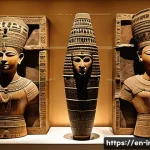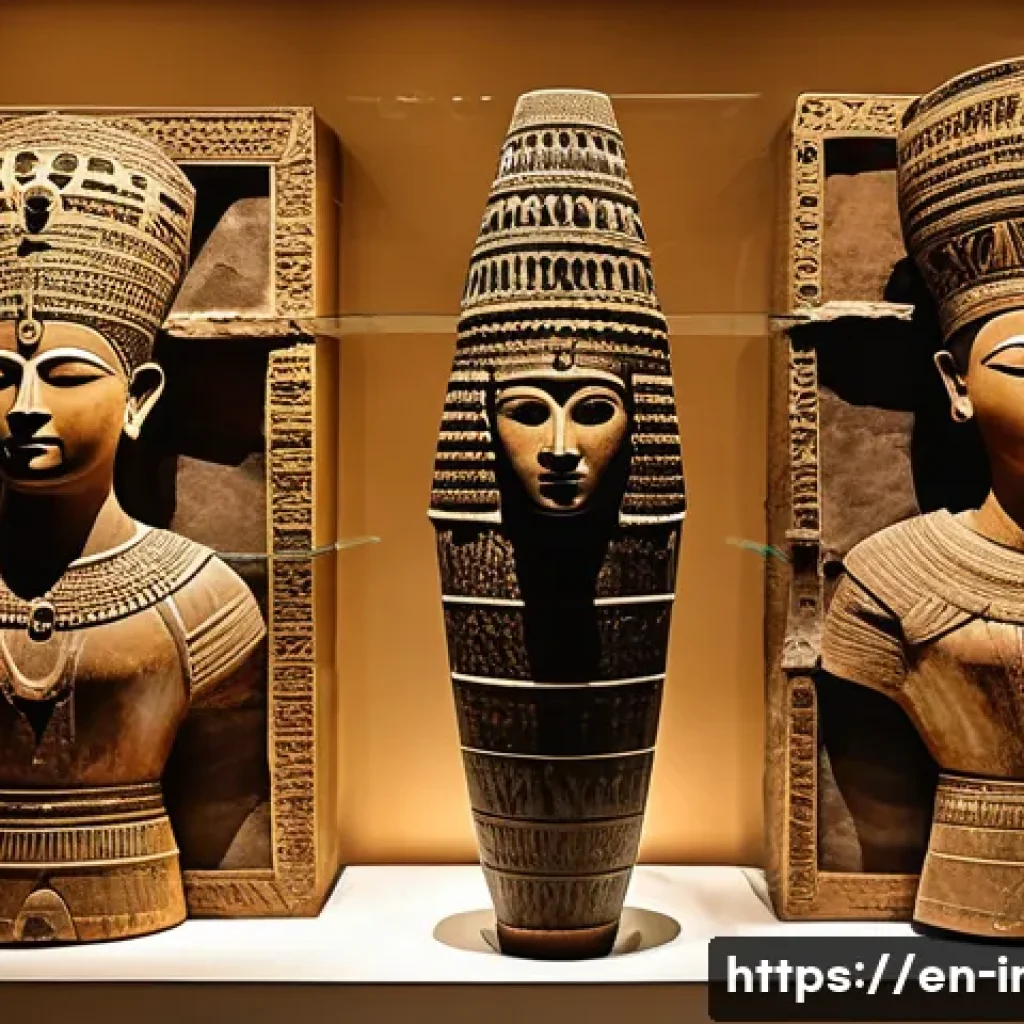
Oh, Baghdad! Just uttering the name conjures images of ancient wonders and the very cradle of civilization. If you’re anything like me, a true history enthusiast always looking for that next awe-inspiring journey through time, then you absolutely *must* have the National Museum of Iraq on your radar.
I’ve heard so many incredible stories from fellow travelers and seasoned archaeologists about this place, and it truly sounds like stepping into a living, breathing textbook of human history.
Can you imagine standing before artifacts that tell stories spanning over 7,000 years, from the legendary Sumerians who gave us writing and the wheel, to the mighty Babylonians and Assyrians whose empires shaped the ancient world?
I mean, seriously, we’re talking about a museum that houses some of the planet’s oldest and most valuable Mesopotamian treasures, like the Warka Vase and the Lady of Warka, which are thought to be among the earliest representations of the human face and carved stone ritual vessels.
It’s mind-boggling to think about! Plus, with all the incredible international efforts to recover looted artifacts and the continuous work by Iraqi authorities to expand their cultural footprint, the museum is constantly evolving, making every visit a fresh and enriching experience.
This isn’t just a collection of old relics; it’s a testament to human ingenuity, resilience, and the enduring legacy of a region that gave birth to so much of what we know today.
You can literally trace the development of everything from mathematics and law to art and industry right within its walls. So, if you’re ready to unlock the secrets of ancient Mesopotamia and immerse yourself in a truly unforgettable cultural adventure, then let’s get into the details and make your visit absolutely perfect.
Let’s accurately explore everything you need to know to experience the Iraq History Museum like a pro!
Oh, my fellow history buffs, I’m bursting to talk about a place that truly captures the essence of human civilization: the National Museum of Iraq. While it’s currently undergoing some much-deserved refurbishment and is closed until an unknown date in 2026, trust me, this isn’t a reason to skip it entirely from your future travel plans.
This guide is all about getting you prepared for an absolutely epic journey back in time, whenever those doors swing open again. Think of this as your ultimate insider guide to maximizing your experience when you finally get to step foot inside this unparalleled treasure trove!
Unearthing Humanity’s Dawn: The Sumerian Saga
The moment you start your journey through the National Museum of Iraq, you’ll feel an undeniable pull towards the very beginnings of human civilization.
The Sumerian galleries, in particular, are just mind-blowing. Imagine standing before artifacts that date back over 5,000 years, from a time when our ancestors were literally inventing writing, the wheel, and the world’s first cities!
I’ve read countless accounts from archaeologists who describe the sheer awe of these finds, and it’s easy to see why. You’re not just looking at old pots; you’re witnessing the birth of organized society and the fundamental elements that still shape our lives today.
It’s like peeking into a forgotten world, feeling the weight of millennia with every gaze. The intricate details on some of these pieces speak volumes about the ingenuity and spiritual depth of a people who lived so long ago.
It truly makes you ponder what they valued, what they believed, and how their daily lives, despite the vast historical distance, still echo in our own.
The Sumerian Legacy
One of the absolute crown jewels here, and honestly, one that gives me chills just thinking about it, is the Warka Vase. This carved alabaster vessel from the ancient city of Uruk, dating back to around 3200-3000 BCE, is one of the earliest known examples of narrative relief sculpture.
It’s not just a beautiful object; it’s a visual story, depicting everything from daily life and agricultural abundance to religious rituals and the presentation of offerings to a goddess.
Standing before it, you can almost hear the bustling sounds of ancient Uruk, feel the reverence of their ceremonies, and truly appreciate the artistic skill that predates so much of what we typically consider “ancient art.” The way the scenes unfold in registers, telling a complete story, is a testament to the sophisticated minds of its creators.
Echoes of Ancient Uruk
And then there’s the Lady of Warka, often called the Mask of Warka. This marble face, also from Uruk and from a similar period, is thought to be one of the earliest and most accurate representations of the human face ever discovered.
When you see her, you can’t help but feel a profound connection to the individual she represents, whether a goddess like Inanna or a powerful queen. It’s hauntingly beautiful and exquisitely crafted, with eyes that once held precious stones, now leaving an empty, yet mesmerizing, gaze.
The craftsmanship alone would be impressive today, let alone from over five millennia ago. It forces you to confront the humanity of these ancient peoples, realizing they were just as capable of creating breathtaking beauty and capturing human likeness as any artist since.
This piece, for me, embodies the enduring spirit and artistic prowess of the Sumerians.
Empires of Grandeur: Assyria and Babylon’s Enduring Splendor
Moving further into the museum, you’re transported from the dawn of civilization to the might and majesty of empires that truly dominated the ancient Near East: Assyria and Babylonia.
Walking through these halls, I imagine the sheer power these civilizations commanded, shaping laws, conquering vast territories, and leaving behind a legacy of monumental art and architecture.
These galleries truly highlight how these empires, with their sophisticated administrative systems and formidable armies, built upon the foundations laid by the Sumerians, pushing the boundaries of what was possible in their time.
It’s an immersive experience that brings their grandeur to life in a way textbooks simply can’t. The scale of their ambition is palpable, etched into every stone and inscription you encounter.
Majestic Lamassu Guardians
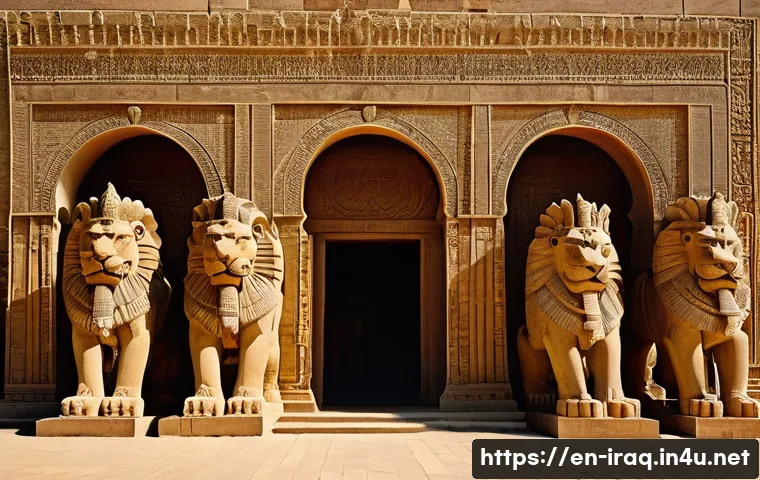
Prepare to be awestruck by the sheer scale of the Assyrian reliefs and sculptures. The Lamassu, those iconic winged human-headed bulls or lions, are simply breathtaking.
These colossal protective deities once guarded the gates of ancient Assyrian palaces in cities like Nimrud and Khorsabad, and seeing them up close, you can almost feel their ancient vigilance.
Their five legs, designed to make them appear standing from the front and walking from the side, are an engineering marvel and a testament to Assyrian artistic and symbolic genius.
Beyond the Lamassu, you’ll find intricate bas-reliefs depicting epic battle scenes, royal hunting expeditions, and ceremonial processions. I’ve always been fascinated by how these ancient artists managed to convey such dynamism and detail in stone, telling stories of power, conquest, and daily life with incredible precision.
Babylon’s Enduring Wisdom
The Babylonian collection, though perhaps less monumental in terms of sheer size compared to some Assyrian displays, is equally rich in cultural significance.
This is where you connect with the intellectual heart of Mesopotamia. Imagine the scribes painstakingly carving cuneiform tablets that documented everything from economic transactions to epic literature, like the Gilgamesh epic.
While the original Code of Hammurabi stele now resides in the Louvre, the museum’s collection gives you a profound sense of Babylon’s contributions to law, mathematics, and astronomy.
You’ll see everyday objects alongside remnants of royal splendor, offering a holistic view of a society that was both formidable and intellectually vibrant.
It’s humbling to realize how many of our modern systems can trace their roots back to these incredibly ancient and sophisticated cultures.
The Heartbreaking Chapter: Loss, Resilience, and Recovery
It’s impossible to discuss the National Museum of Iraq without addressing the painful chapter of its looting in 2003. As a history enthusiast, hearing about the destruction and theft of cultural heritage always hits me hard, but the scale of what happened here was truly devastating.
It felt like a piece of humanity’s shared past was ripped away, not just from Iraq, but from the entire world. Yet, what truly inspires me is the incredible resilience and the global dedication to healing these wounds.
It’s a powerful reminder that culture, ultimately, transcends conflict. The museum itself, standing strong, tells a story not just of ancient glories but of modern courage and determination.
The 2003 Looting
In the chaotic aftermath of the 2003 invasion, the museum suffered immense losses. Around 15,000 precious artifacts were stolen, ranging from delicate cylinder seals to monumental sculptures.
It was a cultural catastrophe, and the images of ransacked display cases broke the hearts of scholars and history lovers worldwide. Many of these items, irreplaceable links to our collective human past, vanished into the illicit antiquities market.
The impact was felt deeply, not just in Iraq, but globally, as humanity mourned the loss of such vital historical records. This period serves as a somber reminder of the fragility of cultural heritage in times of conflict.
International Efforts for Repatriation
Despite the profound loss, a truly remarkable international effort has been underway ever since to recover the stolen treasures. Governments, law enforcement agencies, and dedicated archaeologists from around the globe have worked tirelessly, and successfully, to repatriate thousands of artifacts.
It’s an ongoing process, a slow but steady healing of a deep wound. I find this aspect particularly moving – it highlights a universal understanding that these objects belong to all of us, representing a shared human legacy that transcends borders and political divides.
Recoveries have included everything from the Lady of Warka herself, found in a nearby farm, to thousands of cuneiform tablets returned from institutions abroad.
This concerted effort is a testament to the power of shared values and the unwavering commitment to preserving history for future generations.
Beyond the Monuments: Everyday Life in Ancient Mesopotamia
While the grand statues and royal treasures are undeniably spectacular, what often captivates me most at museums like this are the glimpses into the daily lives of ancient people.
It’s those smaller, more intimate objects that truly bring history to life, allowing you to imagine the hands that crafted them, the stories they might have witnessed, and the everyday routines of cultures long past.
The National Museum of Iraq excels at this, showcasing the ingenious ways Mesopotamians lived, worked, and expressed themselves beyond the walls of their palaces and temples.
It’s a wonderful way to connect with the human element of history, seeing how similar some of their needs and desires were to our own.
Whispers from Clay Tablets
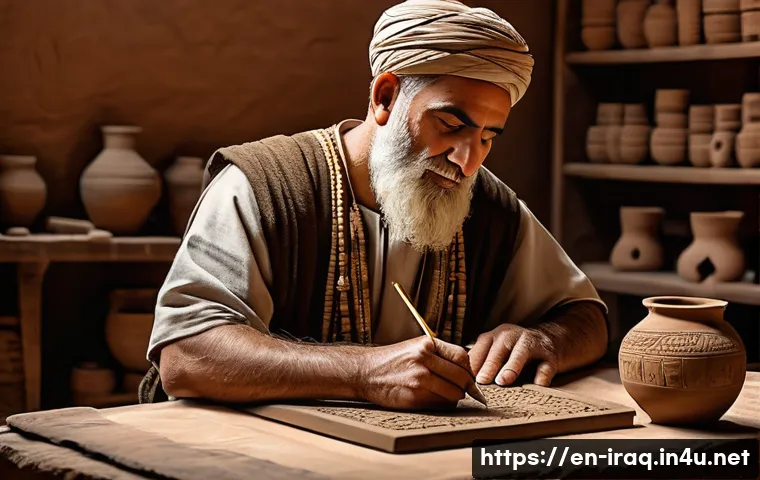
Imagine a world where every document, every story, every law, and every transaction was meticulously etched into clay. That’s the reality the cuneiform tablets in the museum represent.
This ancient writing system, developed by the Sumerians, is a window into everything from detailed administrative records and legal codes to personal letters and epic literature.
Seeing these tablets up close, you can appreciate the skill of the scribes and the sheer volume of information they preserved. They whisper stories of merchants, farmers, kings, and common folk, giving us an unprecedented understanding of their complex societies.
It’s a reminder that information storage and communication, while vastly different in form, were just as crucial then as they are now.
The Artistry of Ancient Crafts
Beyond written records, the museum is filled with exquisite examples of ancient craftsmanship that speak volumes about Mesopotamian artistry and daily life.
You’ll encounter beautifully crafted pottery, intricate jewelry, and delicate metalwork, much of it from renowned sites like Ur and Nimrud. The Nimrud gold collection, for instance, features stunning gold jewelry and precious stone figures dating back to the 9th century BCE, truly showcasing the wealth and artistic prowess of the Assyrian Empire.
These aren’t just decorative items; they reflect technological advancements, trade networks, and personal adornment preferences. Each piece tells a story of an individual, a family, or a community, offering a tangible link to their aspirations, their celebrations, and their everyday existence.
It’s a tactile connection to history that is truly unforgettable.
Planning Your Grand Expedition: A Visitor’s Playbook
Alright, so you’re totally hooked, right? I know I am! Even with the museum temporarily closed for refurbishment, it’s never too early to start planning your eventual visit.
Trust me, a little preparation goes a long way to making your experience unforgettable. Navigating a new city and a massive museum can be a lot, but with these tips, you’ll be exploring like a seasoned pro the moment those doors reopen.
Getting your ducks in a row now means you can fully immerse yourself in Mesopotamia’s wonders without a hitch.
Getting There & Entry
The National Museum of Iraq is conveniently located in Baghdad’s Allawi district. When it’s time to visit, taxis are your best bet for getting there easily; just mention “muthaf” (متحف), which means museum in Arabic, to your driver.
A short trip from central Baghdad, like Tahrir Square, might cost you around 3,500 to 5,800 IQD, so make sure you have Iraqi Dinars on hand, as foreign currency generally isn’t accepted.
Public buses are an option too, costing around 250-500 IQD, but routes can be a bit tricky for newcomers, so a taxi offers more ease.
Maximizing Your Exploration
Once you arrive, be prepared for security checks – they’re thorough but efficient. You’ll likely need to store large bags in lockers, but you can usually bring your phone or camera inside.
Photography is generally allowed, but filming requires special permission. I absolutely, wholeheartedly recommend taking advantage of the free guides available at the museum.
Many speak excellent English and can provide fascinating insights that go far beyond the exhibit signs, which can be somewhat limited. Plus, if your time is tight, they can help you prioritize the must-see highlights.
While exhibit signs are in both Arabic and English, having a guide really deepens the experience. Entry for foreigners costs IQD 25,000, and it’s best to plan for several hours, with some guides even suggesting up to three days to truly explore everything.
Note that cash payments might not be accepted, so a Visa or MasterCard is advisable.
| Category | Details for Your Future Visit |
|---|---|
| Location | Allawi district, Baghdad |
| Getting There | Taxi (mention “muthaf” – متحف), Public Bus |
| Estimated Taxi Fare (from city center) | 3,500 – 5,800 IQD |
| Foreigner Entry Fee | 25,000 IQD |
| Payment Method | Visa/MasterCard recommended (cash may not be accepted) |
| Guides | Free, available, and highly recommended |
| Photography | Permitted (no filming without special permission) |
| Estimated Visit Duration | Several hours to a full day (up to three days for deep exploration) |
| On-site Amenities | No shop or cafe currently available |
A Living Legacy: Why This Museum Still Matters
Even with its challenges and temporary closure, the National Museum of Iraq stands as a colossal testament to human achievement and an essential beacon of culture.
For me, it’s more than just a collection of ancient objects; it’s a living, breathing narrative of our collective past, a place that reminds us where we came from and the incredible journey humanity has undertaken.
It is an institution that has weathered storms, faced adversity, and continues to inspire, which honestly, makes it even more compelling. It symbolizes resilience and the unwavering human spirit to preserve and learn from history.
A Beacon of Culture
The museum is often called the “Cradle of Civilization” itself, and for good reason. It holds within its walls the tangible proof of foundational innovations that shaped the modern world.
From the earliest forms of writing to the intricate legal systems of Babylon, the artifacts here illustrate how Mesopotamia laid the groundwork for so much of what we take for granted today.
It’s a source of immense pride for Iraqis, and rightly so, showcasing their country’s pivotal role in global history. Every piece is a story, every gallery a chapter, contributing to a narrative that is both local and universally significant.
It really makes you appreciate the incredible depth of human innovation.
Connecting Generations
Visiting this museum, whenever you get the chance, is an incredibly profound experience. It’s an opportunity to connect with distant ancestors, to marvel at their brilliance, and to reflect on the enduring human quest for knowledge, beauty, and order.
It’s a place that sparks curiosity, encourages critical thinking, and fosters a deeper appreciation for the complexities of human civilization. The continuous efforts to recover looted artifacts and maintain the museum’s stature demonstrate a powerful commitment to preserving this legacy for future generations.
For me, it’s not just about seeing old things; it’s about feeling a profound connection to the grand tapestry of human existence, understanding our shared heritage, and realizing the invaluable lessons that the past continues to offer us.
A Final Thought
And there you have it, my friends – a comprehensive look at what makes the National Museum of Iraq an absolute must-visit for anyone with a soul stirred by history. While we patiently await its grand reopening, I hope this guide has ignited your passion and helped you envision the incredible journey back in time that awaits. This isn’t just a museum; it’s a living, breathing testament to human ingenuity, resilience, and our shared heritage. It truly stands as a reminder that the stories of our ancient past are not just confined to dusty textbooks but are vibrant, tangible records waiting to be discovered. So, start dreaming, start planning, and get ready to be utterly captivated by the very origins of civilization itself!
Handy Tips for Your Future Expedition
1. Getting There Made Easy: The National Museum of Iraq is nestled in Baghdad’s Allawi district. For a hassle-free trip, grabbing a taxi is your best bet – just tell the driver “muthaf” (متحف)! From central Baghdad, a ride should set you back around 3,500 to 5,800 IQD, so make sure you have Iraqi Dinars on hand. Public buses are a cheaper option, costing around 250-500 IQD, but routes can be a bit tricky for newcomers. Personally, I’d lean towards a taxi for sheer convenience and less stress, letting you save your energy for the wonders inside!
2. Entry & Payment Savvy: Foreign visitors will find the entry fee is 25,000 IQD. While cash might sometimes be accepted, I’d strongly advise having a Visa or MasterCard ready for a smooth transaction. Based on what I’ve heard, relying solely on cash might leave you scrambling, so better to be prepared with your card. This little bit of foresight can make a huge difference in starting your visit stress-free.
3. Unlocking Deeper Insights with Guides: Seriously, do yourself a favor and utilize the free guides available at the museum! Many are fluent in excellent English and will enrich your visit with fascinating stories and details you simply won’t find on the exhibit plaques. They’re invaluable, especially if your time is a bit tighter, as they can help you prioritize the must-see highlights. Engaging with a knowledgeable guide truly transforms the experience from just looking at artifacts to actively learning their profound narratives.
4. Capture the Memories (Mostly): Photography is generally welcomed inside the museum, so snap away and capture those incredible moments! However, it’s really important to keep in mind that filming usually requires special permission. So, it’s best to stick to stills unless you’ve arranged something beforehand. Respecting these rules ensures everyone can enjoy the museum and helps preserve the exhibits for future visitors. Plus, you’ll have some absolutely fantastic keepsakes from your journey back in time.
5. Plan for Immersion: This isn’t a quick dash-through kind of place, my friends. To truly soak it all in and appreciate the sheer weight of history, budget several hours, if not a full day for your visit. Some dedicated history buffs even suggest up to three days for deep exploration! Trust me, with millennia of human innovation and culture packed into those halls, you’ll want ample time to explore every captivating corner without feeling rushed. It’s an experience that truly rewards your patience and curiosity.
Key Takeaways for a Remarkable Visit
To truly grasp the magic of the National Museum of Iraq, remember that you’re stepping into the “Cradle of Civilization” itself, witnessing the very foundations of human society. It’s not just a collection; it’s a profound narrative of humanity’s earliest triumphs. While its journey has seen significant challenges, the museum stands as a beacon of resilience, with ongoing international efforts to recover and restore its full glory – a powerful testament to our shared global commitment to heritage. Planning your visit in advance, utilizing the incredibly insightful free guides, and allocating ample time will undoubtedly transform your trip from a simple viewing into an unforgettable, deeply immersive historical adventure. This is an experience that connects you directly to our collective human story, leaving you with a lasting sense of awe and understanding.
Frequently Asked Questions (FAQ) 📖
Q: What are the absolute must-see treasures at the National Museum of Iraq that I absolutely cannot miss?
A: Oh, where do I even begin? This museum is a veritable Aladdin’s cave of wonders, showcasing over 7,000 years of human history! From what I’ve gathered, and from the goosebumps I get just imagining it, you simply have to make a beeline for the Sumerian galleries.
That’s where you’ll find iconic pieces like the Warka Vase, a stunning carved stone ritual vessel dating back to 3000 BCE, and the Lady of Warka (also known as the Mask of Warka), which is considered one of the earliest known accurate depictions of a human face.
It’s truly breathtaking to think about! You’ll also be completely mesmerized by the dozens of cuneiform tablets that literally show us how ancient people wrote, counted, and told stories – talk about a direct link to the past!
Don’t even get me started on the Assyrian reliefs! These massive stone sculptures, often depicting royal rituals, hunting scenes, and battles, are just astounding in their detail and scale.
And if you’re lucky, you might even catch a glimpse of the famous winged bull Lamassu sculptures. Imagine standing next to those! Honestly, every corner holds something incredible, from intricate jewelry from the Royal Tombs of Ur to objects from the Babylonian and Islamic periods, so give yourself plenty of time to wander and let history just wash over you.
Q: What are the practical details I need to know before planning my visit, like opening hours, ticket prices, and how to get there?
A: Alright, let’s talk logistics because no one wants to show up to a closed museum! From what I understand, the National Museum of Iraq is located right in the heart of Baghdad’s Karkh district, making it fairly accessible.
Most travelers suggest taking a taxi, as parking can be a bit tricky. Now, here’s the kicker, and this is super important: While the museum has generally reopened after periods of closure and refurbishment, current information from sources suggests it might be closed for refurbishment until an unknown date in 2026.
So, my absolute top tip is to always check their official website or call ahead for the most up-to-date opening dates and times before you head out to avoid any disappointment.
When it is open, guides are often available and highly recommended, as they can bring the exhibits to life with extra fascinating tidbits beyond the English and Arabic signs.
Entry costs are around IQD 25,000 for foreigners, with student discounts sometimes available. They’re usually quite strict with security, so be prepared for bag scans, and you might need to check larger items into lockers.
Good news though: photography is generally permitted, but filming requires special permission. And trust me, you’ll want at least a couple of hours, if not more – some even say three days!
– to truly soak it all in, so don’t rush it!
Q: How has the National Museum of Iraq overcome its past challenges, and what role does it play in preserving Iraq’s heritage today?
A: This is such an important question, and it really speaks to the resilience and spirit of the Iraqi people. We all know the heartbreak of the 2003 looting, where an estimated 15,000 artifacts were tragically stolen.
It was a devastating loss, not just for Iraq, but for all of humanity, seriously. But here’s the amazing part: there has been a monumental, continuous international effort to recover these treasures, and the results have been truly inspiring!
Thousands of pieces have been returned, with recent reports indicating that as many as 27,000 artifacts have been recovered from both abroad and within Iraq, and many are now back on display.
UNESCO and other organizations have played a crucial role, providing support and materials to strengthen the museum’s capacity to preserve its collections.
The museum isn’t just a static collection; it’s a dynamic institution actively dedicated to protecting and interpreting Iraq’s comprehensive archaeological heritage.
It hosts new exhibitions, educational programs, and continues to expand its collection, serving as a powerful symbol of cultural resilience and a vibrant hub for engaging the public with Iraq’s incredibly rich history.
When you walk through those halls, you’re not just seeing ancient objects; you’re witnessing a testament to a civilization’s enduring legacy and the unwavering commitment to safeguard it for future generations.
It really does make you feel hopeful for the future of global heritage, you know?