If walls could talk, imagine the incredible stories the Al-Rashid Hotel in Baghdad would whisper. For me, there’s always been something profoundly captivating about places that stand as silent, yet powerful, witnesses to history, especially when that history is as rich and turbulent as Iraq’s.
This isn’t just another luxury accommodation; it’s a living, breathing testament to epochs, power, conflict, and immense resilience, a true icon that has seen it all since its grand unveiling.
Built with an ambitious vision in 1982 to host international gatherings, it quickly transcended its role as just a building, becoming a potent symbol of Baghdad’s modernity and oil-fueled aspirations.
I’ve always found it absolutely fascinating how a single structure could embody so much of a nation’s complex journey. From the truly infamous George H.W.
Bush mosaic on its lobby floor – a provocative statement that visitors quite literally *had* to walk over – to becoming the unwavering global media hub during the tumultuous Gulf Wars, the Al-Rashid has never been far from the international spotlight, often serving as a dramatic, almost cinematic backdrop to world-altering events.
Even today, nestled securely within Baghdad’s renowned Green Zone, the Royal Tulip Al-Rashid continues to extend its unique blend of traditional Iraqi hospitality and modern comforts to diplomats, journalists, and business travelers from around the globe.
It makes you wonder, doesn’t it, about the future trajectory of such a historically charged landmark in a region constantly adapting and evolving? How does its profound legacy shape perceptions and aspirations for Iraq’s burgeoning tourism scene and its place on the global stage?
It’s a place where every corner seems to hold a memory, and its story is undeniably far from over. If you’re anything like me, you’ll be completely intrigued by how this architectural marvel has not only survived but triumphantly adapted through decades of immense change.
Let’s delve deeply into the full, incredible journey of this legendary hotel.
Witness to Shifting Sands: The Hotel’s Grand Genesis
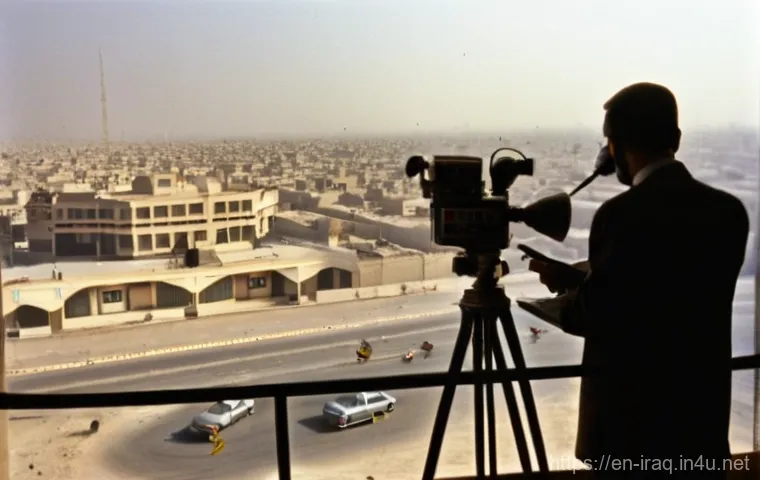
Stepping into the Al-Rashid Hotel, you can almost feel the weight of history in the air. When it first opened its doors in 1982, it wasn’t just another building; it was a beacon, a symbol of Iraq’s aspirations for modernity and its pivotal role on the global stage. I’ve always been drawn to how architectural projects can capture the very essence of an era, and the Al-Rashid certainly did that for Baghdad in the early eighties. It was built with this incredibly ambitious vision to host international gatherings, to showcase Iraq’s hospitality and its burgeoning influence. You could tell that no expense was spared, with meticulous attention to detail in its design and construction, all aimed at creating a luxurious and imposing structure that could truly stand alongside the world’s most prestigious hotels. It quickly transcended its role as just a place to stay, becoming a potent emblem of the nation’s confidence and a point of immense national pride for many Iraqis during that period. It’s fascinating to consider how a single building can encapsulate so much of a country’s evolving identity and global ambitions. I remember hearing stories about the sheer grandeur of its initial opening, a true spectacle that announced Baghdad’s arrival as a key player in international diplomacy and commerce.
A Symbol of Ambition
The Al-Rashid was more than just concrete and steel; it was a declaration. Commissioned during a period of significant oil wealth and growing regional power, it was designed to be a centerpiece for pan-Arab conferences and international diplomatic events. I mean, think about it – a hotel built specifically to host heads of state and global dignitaries. That’s a powerful statement right there. It spoke volumes about Iraq’s self-perception and its desire to project an image of strength, stability, and sophisticated hospitality to the world. It wasn’t merely about providing accommodation; it was about providing an experience, a statement of national prestige that left an indelible mark on every visitor, often being the first and last impression many foreign dignitaries had of the country itself. The scale and luxury were truly unparalleled in the region at the time, establishing a new benchmark for what a national flagship hotel could be.
Architectural Marvel of Its Time
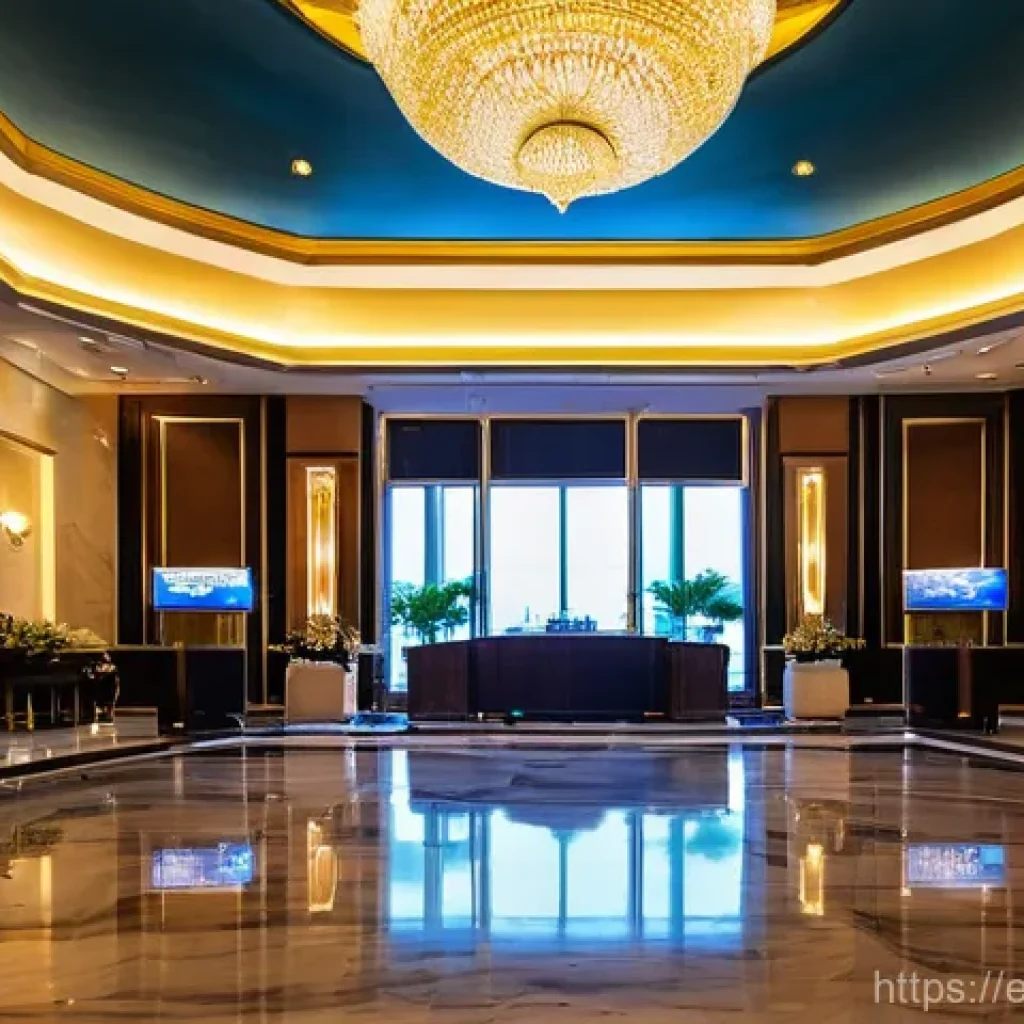
From an architectural standpoint, the Al-Rashid was absolutely cutting-edge for its period. Its design blended traditional Iraqi aesthetics with modern, imposing structures, creating a unique visual identity that was instantly recognizable. I’ve always admired how buildings can tell a story through their very form, and the Al-Rashid’s grand facades, expansive lobbies, and intricate interior details were certainly narrating a story of ambition and cultural pride. The sheer scope of the project, from its luxurious guest rooms to its sprawling conference facilities, was breathtaking. It really felt like a city within a city, designed to cater to every need of its distinguished guests. For anyone interested in the history of modern architecture in the Middle East, this hotel stands as a significant landmark, reflecting the architectural trends and aspirations of its foundational era in Baghdad.
A Stage for World Affairs: Diplomacy and Drama Unfold
For decades, the Al-Rashid Hotel wasn’t just a place to sleep; it was a bona fide stage where some of the most pivotal global events played out. I’ve always been captivated by places that become accidental protagonists in history, and this hotel absolutely fits the bill. From hosting high-stakes diplomatic summits that shaped regional policy to becoming the nerve center for global media during times of intense conflict, its walls have literally absorbed whispers of power and echoes of dramatic announcements. It really makes you wonder about the conversations that took place in its private suites, the deals that were struck over lavish dinners, and the sheer tension that must have filled its conference halls. For anyone with a keen interest in international relations, the Al-Rashid stands as a powerful testament to the complex tapestry of global politics, often reflecting the geopolitical temperature of the Middle East in real-time. It’s hard to imagine another hotel that has so consistently found itself at the absolute epicenter of world-altering events, serving as a silent, yet crucial, observer.
Hosting High-Stakes Summits
Before the conflicts, the Al-Rashid was the preferred venue for numerous international and pan-Arab conferences. I mean, imagine the scene: world leaders, diplomats, and their entourages all converging under one roof, discussing everything from economic policies to peace initiatives. These summits weren’t just formal events; they were melting pots of cultures and ideologies, all unfolding within the hotel’s opulent settings. I’ve always thought it’s incredible how such a luxurious environment could be the backdrop for such serious, world-shaping decisions. The hotel’s state-of-the-art facilities, even by today’s standards, were designed to accommodate these high-profile gatherings, ensuring security, privacy, and impeccable service for its distinguished guests. It played a crucial role in Baghdad’s efforts to position itself as a diplomatic capital, a place where important conversations could happen and crucial agreements could be forged, often with significant global ramifications.
The Gulf War’s Media Epicenter
Then came the Gulf Wars, and the Al-Rashid transformed. It became the unwavering global media hub, the place where journalists from every major news organization set up shop, desperate to get the latest information out to a world holding its breath. I remember seeing countless news reports filed from its rooftop or its lobby, with the Baghdad skyline as a dramatic, often fiery, backdrop. For those of us watching from afar, the hotel almost became a character in itself, a symbol of resilience amidst the chaos. It provided a unique, albeit dangerous, vantage point for reporters to cover one of the most significant conflicts of our time, solidifying its place in the annals of journalistic history. The hotel’s staff, too, showed immense bravery, continuing to provide services under incredibly challenging circumstances, making it a truly unforgettable chapter in the hotel’s storied existence. It was a time when the hotel’s reputation as a survivor really solidified in the public consciousness.
The Infamous Mosaic: A Provocative Statement
If you’re ever lucky enough to visit the Al-Rashid Hotel, there’s one particular feature that, for many years, quite literally stopped visitors in their tracks: the infamous George H.W. Bush mosaic. I mean, talk about making a statement! For me, it perfectly encapsulates how architecture and art can be used, sometimes controversially, to express national sentiment. Placed prominently on the lobby floor, it depicted the former U.S. President in a way that ensured every person entering or exiting the hotel would walk over his likeness. It wasn’t just a decoration; it was a deliberate, provocative political statement, designed to convey a strong message following the 1991 Gulf War. You couldn’t ignore it, and that was precisely the point. It sparked countless conversations, debates, and probably a fair few moments of discomfort for international guests, but it undeniably left an indelible mark on the hotel’s legacy, making it famous (or perhaps infamous) for something truly unique and unexpected. It’s a reminder that even inanimate objects can carry immense political weight and become symbols of defiance.
George H.W. Bush’s Unwanted Welcome
The mosaic itself was a large, colorful depiction of President Bush’s face, installed directly into the tiled floor of the main entrance. I can only imagine the reactions of visitors, especially American officials, when they first encountered it. It was a bold and unapologetic act of symbolic defiance, designed to humiliate and make a point without uttering a single word. Every step across the lobby was, in essence, an act of walking over the image of a leader whose policies had significantly impacted Iraq. This wasn’t some subtle artwork; it was front and center, an undeniable and constant presence. It really demonstrates the power of visual communication and how deeply felt emotions can be expressed through public art. For many years, it became one of the hotel’s most talked-about features, even overshadowing its luxury or historical significance for some visitors, simply because of its sheer audacity.
A Legacy of Defiance
Even after the fall of Saddam Hussein’s regime, the mosaic remained a topic of intense discussion. For some, it was a painful reminder of past conflicts; for others, it continued to represent a form of national pride or a lingering sentiment. While it has since been removed (reportedly covered or dismantled after the 2003 invasion to make the hotel more welcoming), its memory and the stories surrounding it persist. I think it highlights how symbols, even controversial ones, can embed themselves deeply into the narrative of a place. The mosaic became an integral part of the Al-Rashid’s identity for a significant period, making it a landmark not just for its architecture or hospitality, but for its willingness to make a powerful, unambiguous political statement right there in its most public space. It’s a fascinating example of how a building can be used as a canvas for a nation’s collective experience and defiance.
Resilience Amidst Turmoil: Surviving the Storms
The story of the Al-Rashid Hotel isn’t just one of grandeur and diplomacy; it’s profoundly a tale of extraordinary resilience. I’ve often thought about how some structures seem to absorb the very essence of the events around them, and the Al-Rashid, witnessing decades of conflict and upheaval, is a prime example. It’s truly remarkable how a building, designed for luxury and international goodwill, found itself in the eye of multiple storms, yet continued to stand. From sustained bombings to serving as a fortified base, it has endured unimaginable pressures. This isn’t merely about structural integrity; it’s about the spirit of the place and the people who maintained it through the hardest times. It makes you realize that survival isn’t just for individuals, but for institutions too, especially when they represent so much to a nation. The hotel’s ability to remain operational, even partially, during intense periods of conflict is a testament to its foundational strength and the unwavering dedication of its staff, often in the face of extreme danger.
Enduring Conflict’s Scars
Throughout the various conflicts that have gripped Iraq, particularly the Gulf Wars and the subsequent insurgency, the Al-Rashid Hotel suffered direct hits and stood firm amidst surrounding chaos. I remember seeing images of its exterior with visible damage, yet it always seemed to bounce back. It wasn’t just about patching up walls; it was about rebuilding morale and reaffirming its presence. The sheer fact that it continued to serve any function during such perilous times, often hosting foreign officials or remaining a point of contact for international bodies, speaks volumes about its strategic importance and its robust construction. This hotel literally became a symbol of Baghdad’s steadfastness, a physical manifestation of a city determined to endure, despite the visible scars it carried from one conflict to the next. It certainly evokes a profound sense of awe at its enduring spirit and fortitude.
Maintaining Operations Through Crisis
What truly amazes me is how the hotel managed to maintain any semblance of operations during periods of intense crisis. Imagine working in such an environment, providing hospitality services while explosions might be heard in the distance. The staff members, often unsung heroes, continued to run the kitchens, clean the rooms, and manage guest services, adapting to extraordinary circumstances. It’s a testament to professional dedication and an ingrained sense of duty. For many years, especially after 2003, the hotel was located within the heavily fortified Green Zone, essentially operating as a secure enclave for foreign diplomats and journalists. This afforded it a layer of protection, allowing it to continue functioning as a vital hub even when the rest of the city faced immense challenges. Their ability to adapt, secure, and deliver services under such duress is a remarkable chapter in the hotel’s history, highlighting its crucial role as an anchor in uncertain times.
Adapting to a New Era: The Royal Tulip Transformation
The story of the Al-Rashid Hotel is also one of remarkable adaptation. While its past is steeped in conflict and political drama, its present is firmly focused on a future of renewed stability and sophisticated hospitality. I’ve always been fascinated by how iconic landmarks reinvent themselves, and the transformation of the Al-Rashid into the Royal Tulip Al-Rashid is a perfect example of this. It’s not just a change of name; it represents a strategic pivot towards international standards of luxury and comfort, aimed at serving a new generation of travelers—diplomats, business professionals, and even adventurous tourists who are slowly rediscovering Iraq. This re-branding isn’t merely cosmetic; it signifies a deeper commitment to integrating modern amenities and service excellence while respectfully preserving the hotel’s profound historical character. It’s truly inspiring to see how a place with such a weighty past is actively embracing its future, demonstrating an impressive capacity for growth and revitalization in a dynamically changing region. This evolution ensures its continued relevance on the global stage, proving that even the most storied establishments can find new life.
Rebranding for a Modern World
In recent years, the hotel has undergone significant renovations and re-emerged under the management of the Royal Tulip brand, an international chain known for its luxurious properties. I think this partnership is brilliant because it allows the Al-Rashid to retain its historical gravitas while also tapping into global hospitality expertise. This rebranding effort is a clear signal that the hotel, and indeed Baghdad itself, is looking forward, aiming to attract international visitors who expect a certain level of comfort and service. It’s about more than just a new logo; it’s about a renewed commitment to offering a world-class experience, aligning the hotel with contemporary global standards. For me, it speaks to a broader narrative of rebuilding and renewed optimism in Iraq, where iconic institutions are being revitalized to meet the demands of a new era. This strategic move helps shed some of the old perceptions, paving the way for a brighter future.
Blending Heritage with Contemporary Comforts
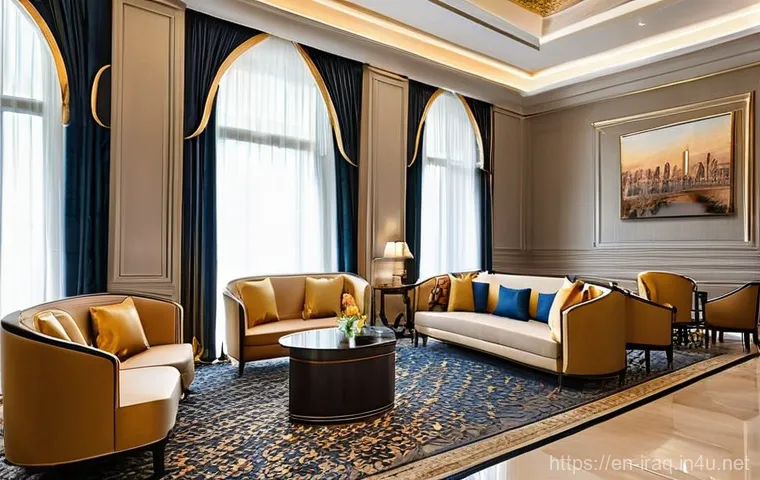
One of the most impressive aspects of the Royal Tulip Al-Rashid today is its successful blend of its rich heritage with modern comforts. When you step inside, you still feel the echoes of its past, but you’re also greeted with all the amenities you’d expect from a top-tier international hotel. I’ve always appreciated how careful preservation can coexist with thoughtful modernization. The guest rooms are updated, the dining options are diverse, and the conference facilities are equipped with the latest technology, yet the essence of the original architecture and its historical significance remain palpable. It’s a delicate balance, but one they seem to have mastered, offering guests a unique experience that respects its history while providing all the conveniences of the 21st century. This thoughtful approach ensures that the hotel isn’t just a relic of the past, but a vibrant, living space that continues to serve and delight its guests in the present. It’s a true testament to how history can be celebrated alongside progress.
Beyond the Walls: Its Enduring Cultural Imprint
The Al-Rashid Hotel’s influence extends far beyond its physical walls and the immediate events it has witnessed. It has, in a very real sense, woven itself into the cultural fabric and collective memory of Baghdad and beyond. I find it endlessly fascinating how certain places become so deeply ingrained in a nation’s psyche, often appearing in stories, news reports, and even personal anecdotes, almost becoming a character in their own right. For many Iraqis, and indeed for countless international observers, the Al-Rashid isn’t just a building; it’s a living archive of a nation’s complex journey, reflecting triumphs, struggles, and persistent hope. It has served as a touchstone in narratives of Iraqi modernity, conflict, and resilience, consistently reminding us of the powerful symbolic role a single landmark can play in shaping perceptions and understanding. Its presence, constant and enduring, acts as a silent narrator of history, inviting contemplation on the passage of time and the cycles of change that define human experience. I often wonder what its walls would whisper if they truly could speak.
A Backdrop for Stories and Lore
Throughout its history, the Al-Rashid has been more than just a hotel; it’s become a backdrop for countless stories, both official and unofficial. From the dramatic news reports filed during conflicts to personal tales of diplomats and journalists who stayed there, it features prominently in the lore surrounding modern Iraq. I’ve heard so many anecdotes about encounters within its lobby, or the breathtaking views from its upper floors during momentous occasions. These stories, whether they’re about high-level negotiations or the everyday struggles of reporting from a war zone, contribute to the hotel’s almost mythical status. It has seeped into popular culture, serving as a powerful symbol in literature, documentaries, and even casual conversations about Baghdad’s recent past. It’s a place where history isn’t just recorded; it’s genuinely lived and constantly recounted, adding layers of meaning to its already profound existence.
Shaping Perceptions of Baghdad
For many international visitors, particularly during the more tumultuous periods, the Al-Rashid Hotel was their primary, if not sole, experience of Baghdad. This means that the hotel, in many ways, actively shaped global perceptions of the city and even of Iraq itself. Its ability to maintain a degree of normalcy and professionalism amidst chaos often contrasted sharply with the images of conflict shown on news channels, offering a different, albeit limited, perspective. I think it’s incredibly powerful how a single institution can act as a lens through which an entire nation is viewed. Its grandeur, its resilience, and even its controversies all contributed to the narrative of Baghdad as a city of immense historical depth, persistent challenges, and enduring spirit. It fostered a unique understanding, showcasing that even in the most challenging circumstances, there were spaces that upheld a sense of dignity and continuity, influencing how the world understood a complex and often misunderstood nation.
Planning Your Visit: Experiencing a Piece of History
So, after delving into the incredible saga of the Al-Rashid, you might be wondering, “What’s it like to visit today?” And honestly, if you’re anything like me—someone who loves to truly immerse themselves in history, especially when it’s still alive and breathing—you absolutely have to consider a trip. The Royal Tulip Al-Rashid isn’t just a hotel; it’s a living museum, a testament to resilience, and a window into Iraq’s past, present, and future. Being able to walk through halls that have witnessed such pivotal moments is an experience unlike any other. It’s about more than just a comfortable stay; it’s about connecting with a landmark that has shaped, and been shaped by, modern history. For those intrepid travelers seeking unique and profoundly meaningful experiences, stepping into the Al-Rashid is like stepping directly into the pages of a history book, but with all the modern comforts. It makes you reflect on the incredible journey it has been on and the stories it still has to tell.
What to Expect Today
Today, the Royal Tulip Al-Rashid offers a blend of historical charm and contemporary luxury, primarily catering to diplomats, business travelers, and a growing number of international visitors. When I imagine a stay there, I envision experiencing the classic Iraqi hospitality it’s always been known for, now coupled with the standards of an international hotel chain. You can expect well-appointed rooms, modern amenities, and a range of dining options. Security is naturally a key consideration, given its location within the International Zone (formerly the Green Zone), but this also means a secure and controlled environment for guests. It’s a place where you can feel safe while still being at the heart of Baghdad’s administrative and diplomatic life. The hotel often hosts events and conferences, maintaining its legacy as a vital gathering place. It truly offers a unique vantage point from which to observe and engage with modern-day Iraq, providing comfort and a sense of continuity amidst a dynamic city.
Tips for International Travelers
For anyone considering a trip to Baghdad and a stay at the Royal Tulip Al-Rashid, here are a few practical pointers I’d share based on what I’ve learned about the region and similar travel experiences. First, it’s always wise to check the latest travel advisories from your government before planning your trip, as circumstances can change. Ensure your visa and entry requirements are squared away well in advance. While the hotel accepts major credit cards, having some Iraqi Dinars (IQD) for smaller purchases outside the hotel is always a good idea; currency exchange services are typically available at the airport or within major hotels. English is widely spoken in the hotel and among professionals, but learning a few basic Arabic phrases can go a long way in showing respect and enhancing your experience. Finally, embrace the experience! This isn’t just another hotel stay; it’s an opportunity to engage with a truly remarkable piece of living history and culture. Be open, be curious, and you’ll undoubtedly have an unforgettable journey. Below is a quick summary of what makes the Al-Rashid so significant.
| Feature | Description |
|---|---|
| Inauguration Year | 1982 |
| Initial Purpose | Host international conferences and diplomatic events. |
| Location | Baghdad’s International Zone (Green Zone). |
| Current Management | Royal Tulip Hotels (Louvre Hotels Group). |
| Historical Significance | Site of major diplomatic events, global media hub during conflicts, symbol of Iraqi resilience. |
글을 마치며
And there you have it, friends! What an incredible journey we’ve taken through the storied halls of the Al-Rashid Hotel, haven’t we? For me, it’s not just about the bricks and mortar; it’s the sheer weight of history, the countless stories whispered within its walls, and the incredible resilience it represents. This isn’t merely a place to rest your head; it’s a living, breathing testament to Baghdad’s enduring spirit, a symbol that has witnessed, absorbed, and now continues to tell the tale of a nation’s complex and powerful journey. I truly hope this deep dive inspires you to look beyond the headlines and appreciate the profound impact such landmarks have on our understanding of the world, reminding us that every building has a story, if only we take the time to listen.
알아두면 쓸모 있는 정보
Planning a trip that involves such a historically rich destination can be an adventure in itself, and I’ve got a few useful nuggets of info that I’ve picked up from my own travels to places with similar depth and character:
1. Always prioritize checking your home country’s latest travel advisories for Iraq before finalizing any plans. These can change, and staying informed is your best first step for a smooth and safe trip. It’s all about being a smart, prepared traveler!
2. Embrace the local culture with an open mind! A little effort to learn a few basic Arabic greetings like “As-salamu alaykum” (hello) or “Shukran” (thank you) goes an incredibly long way. Locals truly appreciate the respect and effort, and it enriches your experience tenfold.
3. While the Royal Tulip Al-Rashid, like many international hotels, will likely accept major credit cards, it’s always a good idea to have some local currency (Iraqi Dinars, IQD) on hand. It makes local purchases for souvenirs or small snacks much easier and more convenient.
4. Internet connectivity can be a mixed bag in some regions, but within a reputable international hotel like the Royal Tulip Al-Rashid, you can generally expect reliable Wi-Fi. However, consider a local SIM card if you plan extensive exploration outside the hotel and need constant connectivity.
5. When you’re there, take a moment to simply *feel* the history. Look for architectural details, imagine the famous figures who walked those halls, and appreciate the blend of old and new. It’s those quiet moments of contemplation that often make such trips truly unforgettable, allowing the building’s narrative to truly sink in.
중요 사항 정리
Reflecting on the Al-Rashid Hotel, it’s clear that this isn’t just any landmark; it’s a cornerstone of modern Iraqi history and a testament to remarkable endurance. My key takeaways, having delved into its past and present, really highlight its multifaceted role and its profound impact:
A Symbol of National Ambition and Prestige
From its grand opening in 1982, the Al-Rashid was conceived as Iraq’s beacon of modernity and a prime venue for international diplomacy. It was a bold statement, reflecting a nation’s aspirations and its desire to project an image of strength and sophisticated hospitality on the global stage. I mean, think about it—a hotel designed to host world leaders. That’s a powerful message right there, setting the tone for its enduring legacy.
Witness to Geopolitical Shifts and Conflict
The hotel has served as an unparalleled stage where critical world events unfolded, from high-stakes diplomatic summits to being the unwavering global media hub during the Gulf Wars. It literally became a character in the narrative of conflict, showcasing its incredible resilience amidst chaos. The infamous George H.W. Bush mosaic, for instance, perfectly captured the intense political sentiments of an era, adding a layer of provocative history that visitors could physically engage with.
A Story of Unyielding Resilience
Despite enduring direct hits during various conflicts and operating under immense pressure, the Al-Rashid stood firm. Its ability to maintain operations, even partially, and serve as a vital hub within the International Zone, speaks volumes about its robust construction and the unwavering dedication of its staff. It’s truly inspiring to see how it continuously bounced back, bearing scars but never truly breaking, becoming a potent symbol of Baghdad’s steadfast spirit.
Transforming for a New Era as the Royal Tulip Al-Rashid
Today, under the Royal Tulip management, the hotel is beautifully blending its rich heritage with contemporary luxury, signaling a forward-looking approach. This rebranding and renovation effort is attracting a new generation of travelers, from diplomats to business professionals, offering a world-class experience while respectfully preserving its deep historical character. It’s a wonderful example of how iconic institutions can adapt and thrive, demonstrating an impressive capacity for growth and revitalization in a dynamically changing region.
Frequently Asked Questions (FAQ) 📖
Q: What’s the real story behind that infamous George H.W. Bush mosaic at the
A: l-Rashid Hotel? A1: This is a fantastic question because it’s honestly one of the most talked-about details of the hotel, and for good reason! I remember first hearing about it and just being utterly fascinated by the sheer audacity of it.
Imagine, right there in the lobby, a massive mosaic portrait of former U.S. President George H.W. Bush, laid out so that literally everyone walking through had to step on his face.
It was installed in 1991, right after the Gulf War, and was absolutely a deliberate, very public statement by Saddam Hussein’s regime. The idea was to humiliate the American president and, by extension, the United States, making visitors symbolically ‘tread’ on the enemy.
For years, this mosaic was a powerful, almost confrontational symbol for anyone entering. When coalition forces took Baghdad in 2003, one of the very first things they did was cover it up, and eventually, it was removed.
It’s a truly wild piece of history that perfectly encapsulates the intense political climate of the time and the unique way the Al-Rashid often became a stage for such dramatic declarations.
If you ask me, it’s these kinds of details that make a place unforgettable.
Q: How did the
A: l-Rashid Hotel become such a critical hub for international media during the Gulf Wars? A2: Oh, this is a part of its story that always sends shivers down my spine, thinking about the sheer volume of history that unfolded within those walls.
The Al-Rashid wasn’t just a hotel during the Gulf Wars; it was the hotel. Because of its strategic location within what would later become the Green Zone and its established reputation as a top-tier international venue, it naturally became the default base for almost every foreign journalist, diplomat, and international observer in Baghdad.
I’ve always imagined the buzzing energy, the constant deadlines, the tension palpable in the air as reporters from around the globe tried to make sense of an incredibly complex and rapidly changing situation.
Its strong, reinforced structure offered a sense of (relative) safety, and its communication facilities, though primitive by today’s standards, were unparalleled in wartime Baghdad.
It literally became the world’s window into Iraq during those intense periods. News conferences were held there, interviews conducted, and the human drama of war played out daily, often just outside its doors.
It’s truly a place that has witnessed history up close, not just from the sidelines, and that’s something that always stays with you.
Q: What’s it like to stay at the
A: l-Rashid Hotel today, especially considering its rich, often tumultuous, past? A3: This is where the past truly meets the present, and it’s something I’ve pondered quite a bit.
Today, the Al-Rashid operates as the Royal Tulip Al-Rashid, and while its history is undeniable, the experience is firmly rooted in offering modern comforts within a secure environment.
It’s still nestled within Baghdad’s heavily fortified International Zone (the Green Zone), which means security is a paramount consideration, and access is controlled.
You won’t just wander in like any other hotel. However, for those who do stay – primarily diplomats, business travelers, and journalists – it offers a blend of classic Iraqi hospitality with contemporary amenities.
I’ve heard from people who’ve stayed there that the staff are incredibly welcoming, and there’s a distinct pride in the hotel’s legacy. While the Bush mosaic is long gone and the immediate wartime chaos is thankfully absent, you can almost feel the weight of its past in the grand halls and corridors.
It’s a fascinating, almost surreal experience to be in a place that has seen so much, now operating as a beacon of stability and comfort. It makes you reflect on how places, like people, can adapt and persevere through incredible challenges, doesn’t it?
It truly is more than just a hotel; it’s a testament to Baghdad’s enduring spirit. I bet anyone staying there today walks away with stories they’ll never forget.